
The drive to make an impact is what makes research different at CAS. Inspired to ask the big questions, our researchers go to many places to find the answers and share their findings that seek solutions for the world’s biggest problems. No matter the discipline—humanities, natural sciences or social sciences—all of our researchers and scholars work to improve the communities they serve, accelerate scientific innovation, support environmental resilience. Our researchers are driven to make a difference while inspiring the next generation of scholars and professionals.
How CAS Researchers Help Wildfire Recovery
The Holiday Farm Fire in 2020 burned through vast areas of the McKenzie River area, about an hour east of the University of Oregon Eugene campus. Years later, how can we understand how ecosystems will recover?
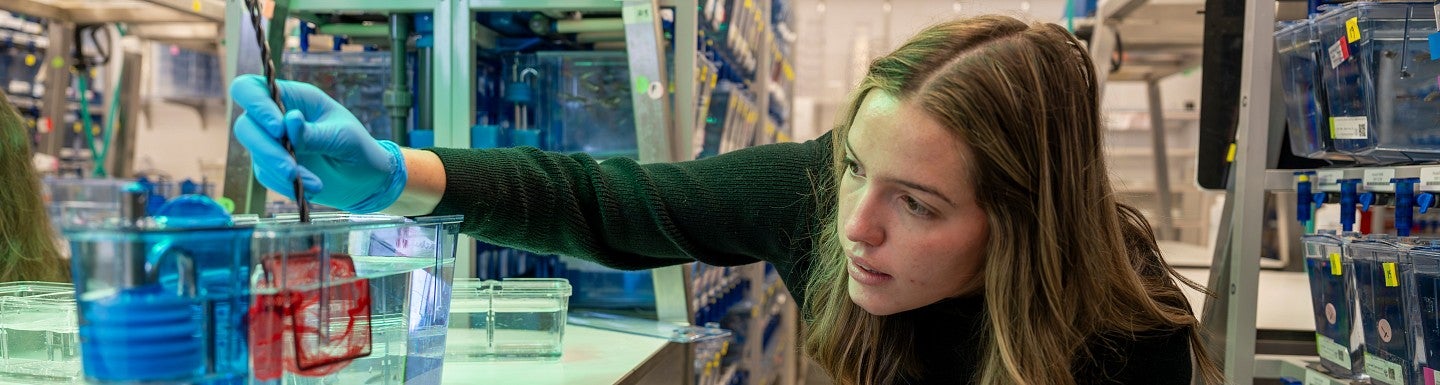
College of Arts and Sciences researchers like biologist Lauren Ponisio are studying how ecosystems recover In the McKenzie River basin. By planting native flowers in burned and logged areas, scientists are tracking how pollinators like bees return, rebuild, and even thrive in these changing landscapes.
And the early results look promising as native plants are growing and bee communities are becoming more diverse.
How CAS Faculty Make a Social Impact
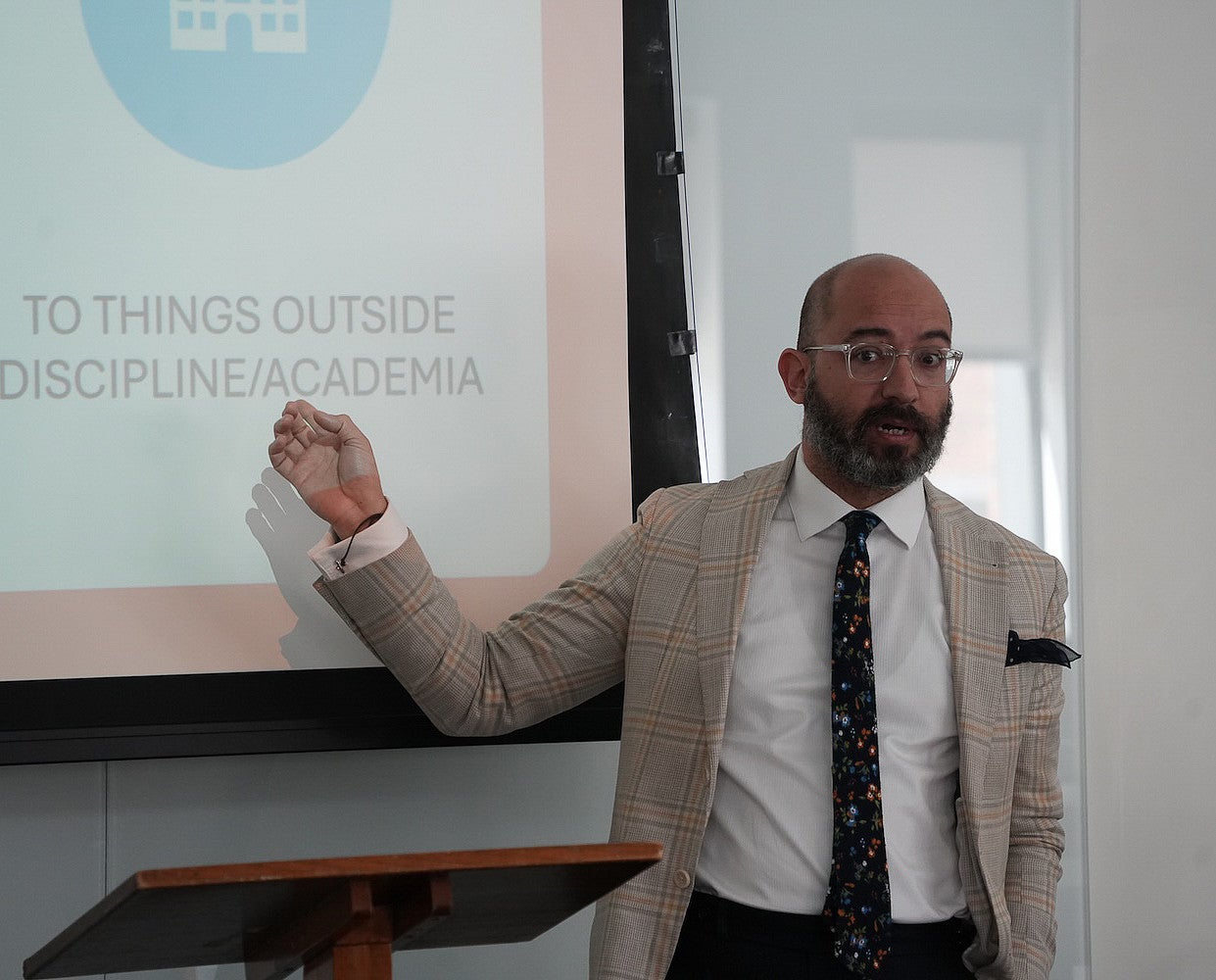
As the largest school in an R1 institution, CAS researchers contribute a significant amount of research to the world’s knowledge base every year. Some of that research doesn’t go far beyond its published outlets as it builds on itself. However, several researchers in CAS use their research for societal impact. They share their research in the class and the community to teach others and influence policy. Meet four professors in CAS who are sharing their research in this way.
Leaders in Ongoing Research
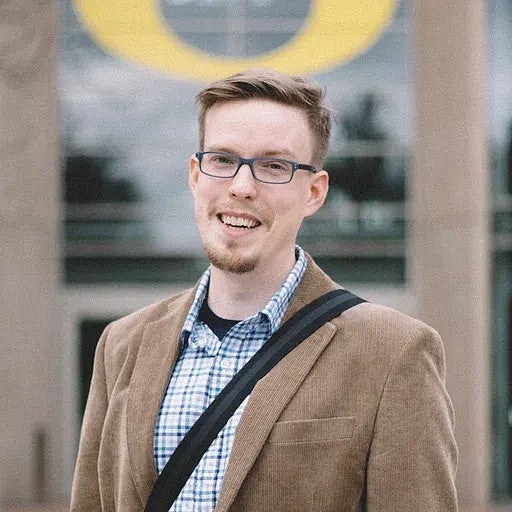
How will climate change affect Oregon? Keaton Miller, an associate professor of economics in the College of Arts and Sciences, led a group of economists to develop a report to estimate how climate change could hit Oregonians over time.
The group of economists, under the moniker of FORCE (Forum on Oregon Climate Economics), worked to communicate how climate change-related issues like wildfire and flooding could cost households, jobs and communities. For Miller, this work is an opportunity for him to apply his expertise with the aim of making a social impact in understanding climate change.
Working on the report was an opportunity for Miller to apply his economics expertise to an uncertain future. It might not appear in an academic journal, but it could have an impact on the state’s ability to make sense of what lies ahead.
"There’s a lot of doomerism in climate change,” Miller says. “I have a practical attitude toward these things, and I try to focus on the big picture of what’s coming. I don’t think we’re talking about the end of our species. We’re talking about major changes that we’ll have to learn to live with.”
For more than a century, dark matter has confounded scientists. Visible matter — from the tiniest particles of dust to stars — only makes up a small sliver of the universe. About 85% of the universe is made up of dark matter. But scientists are still exploring what dark matter is.
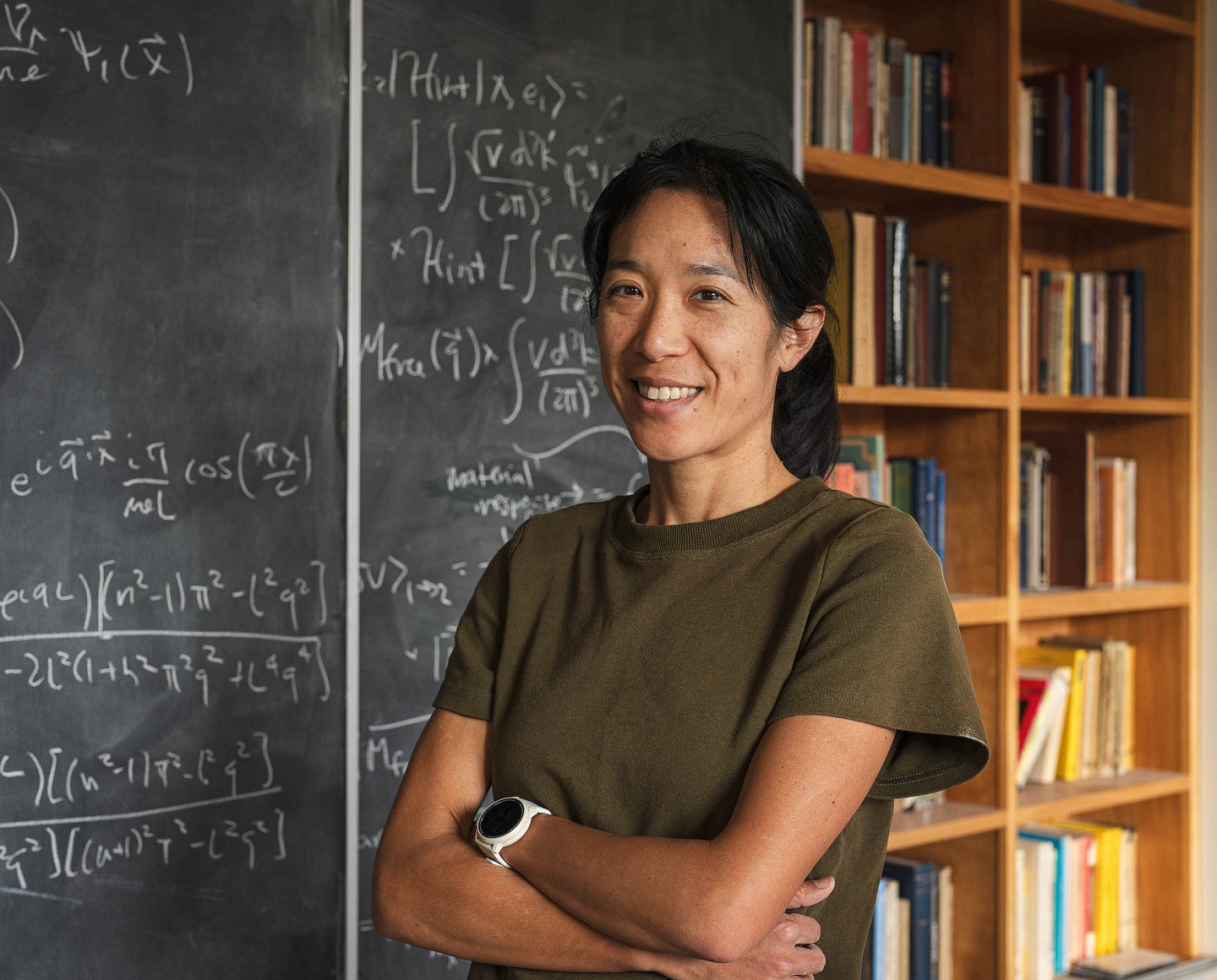
College of Arts and Sciences physicist Tien-Tien Yu has been collaborating with a group of theoretical and experimental physicists to bring light to the dark. Called SENSEI, the experiment adopts a novel approach in dark matter. It uses highly sensitive detectors similar to those found in digital cameras to look for dark matter candidates and interactions.
“One reason why I find dark matter so exciting is because if you didn't have dark matter, you wouldn't be able to form stars or galaxy clusters — where stars are born — and since we come from stardust, dark matter is fundamental to our existence,” Yu said. “So if you want to think about big, existential questions — like why are we here? What are we doing here? What is our role in the universe? — dark matter plays a really important part.”
Exceptional Sponsored Research
College of Arts and Sciences faculty actively engage in research and scholarship and are leaders in their fields. Across the humanities, social sciences, and natural sciences, the research activity—and reputation—of the CAS faculty are the basis of the UO’s status as a Carnegie Research I institution and a member of the Association of American Universities (AAU).
Each year, we handpick research projects from across our three divisions to be featured in story form. Explore our latest research highlights, and browse the full list of sponsored research for the year.
The faculty of the College of Arts and Sciences includes:
Help ensure that teaching, research, advising, mentoring, and support services are robust and fully available to every student.
Affiliated Research Centers, Institutes, and Special Facilities
Many of our faculty collaborate across disciplines within CAS and the University of Oregon, as well as work with peers in the Big Ten and beyond. These collaborations often happen through the high-powered centers and institutions affiliated with the college. Within our network of centers, institutes, and research facilities, faculty, students, and supporting staff expand the boundaries of inquiry and develop innovative solutions to global challenges.
Faculty Making an Impact
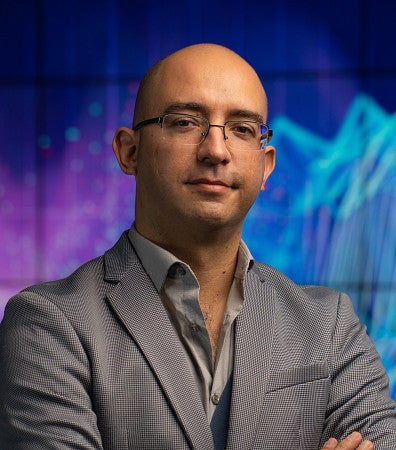
Ramon Alvarado, Department of Philosophy
Philosophy of Computation and Science, Data Ethics, Artificial Intelligence, AI Ethics, Data Science, Philosophy of Technology
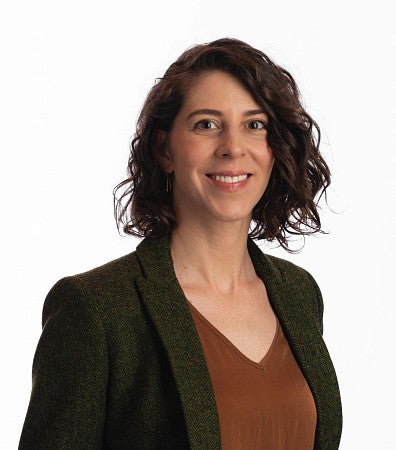
Jo Weaver, Department of Global Studies
Medical Anthropology, Global Health, Mental Health, Race, Homelessness, Chronic Diseases, Food Insecurity, Health Disparities
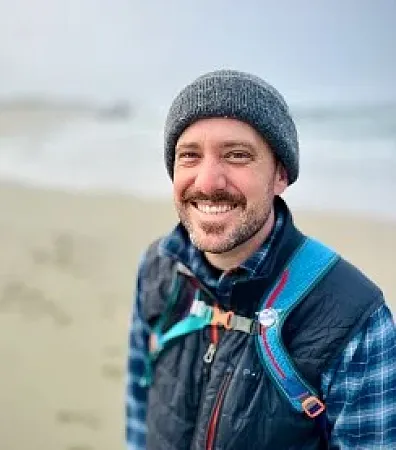
Ed Rubin, Department of Economics
Environment, Pollution, Regulation, EPA, Wildfires and Smoke, Energy, Agriculture, Statistics, Machine Learning, Data Science
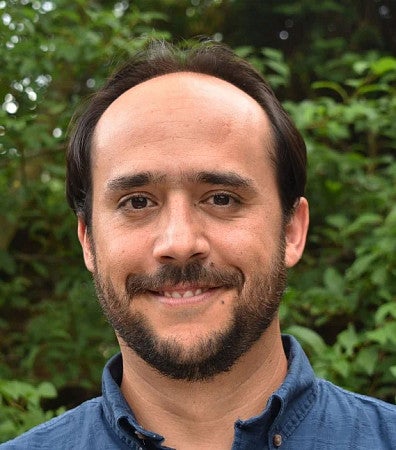
Rori Rohlfs, Department of Data Science
Social Justice and Data Science, Forensic Genetics, Evolutionary Modeling, Computational Biology
Research Opportunities
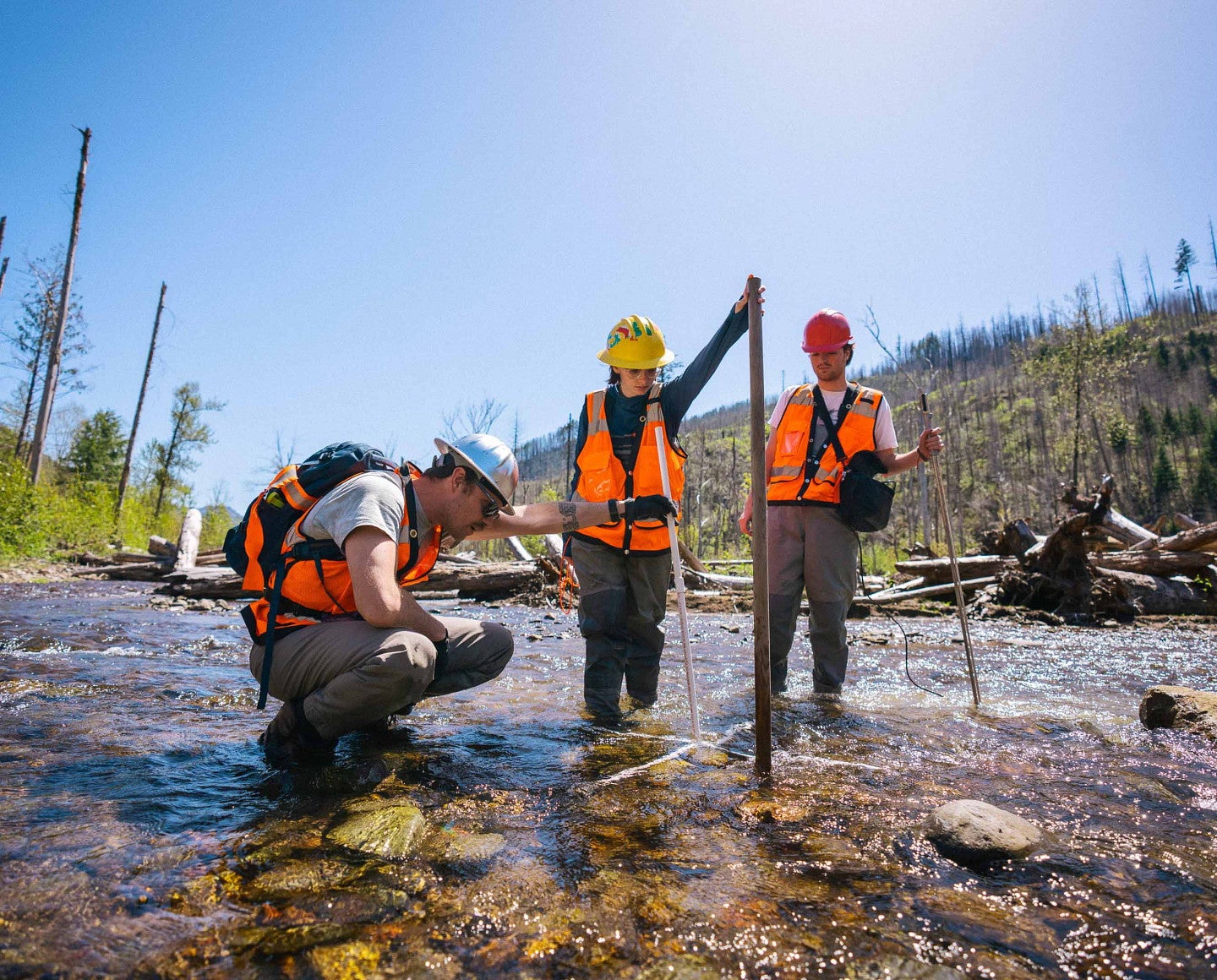
What sets CAS apart from other higher education experiences is that we believe research is something students can actively connect with during their first years of college. It's how our students can find their passion and prepare them for careers and advanced education opportunities.
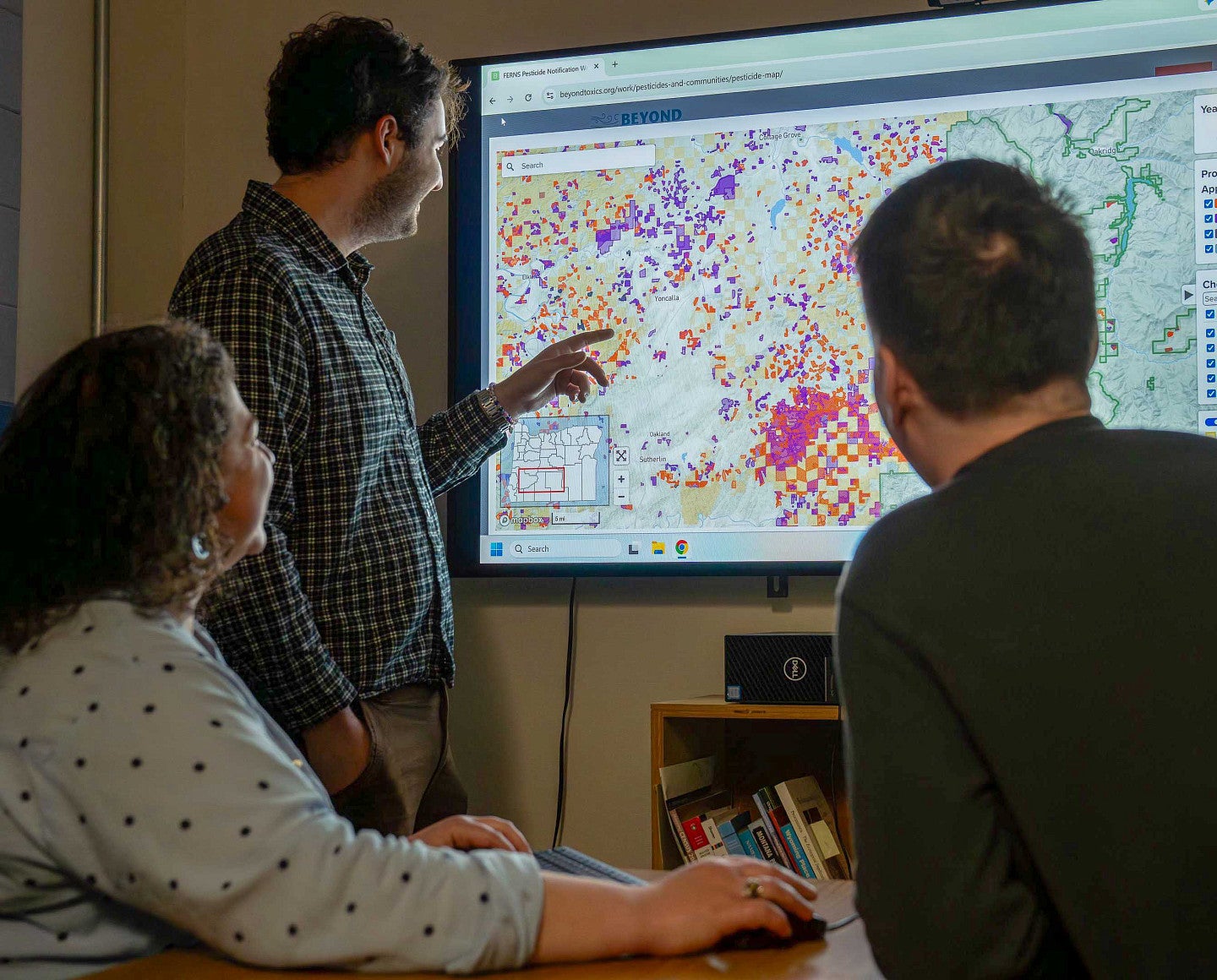
Many graduate employees in CAS are work in the classroom, in research and in administrative capacities. Of course, research activity in the form of personal scholarship is integral to all our master’s and doctoral programs.
Ready to arrive at UO? Whether you're applying as an undergraduate, a graduate student, or just looking to visit, find out how.