
Adeline Anderson
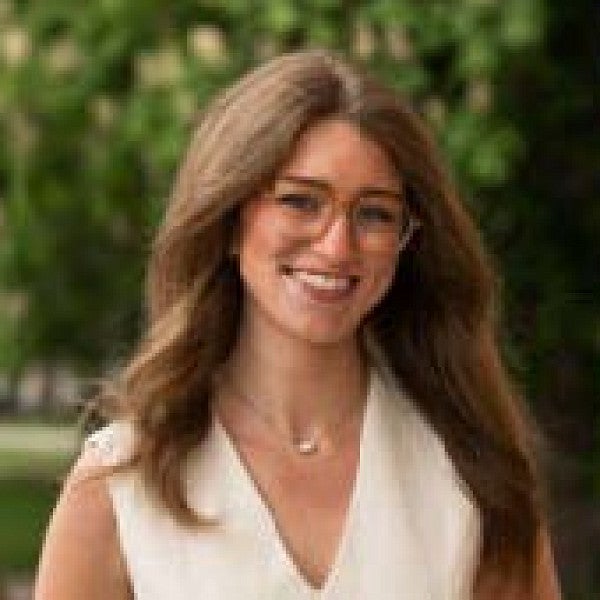
Adeline is studying Ancient Mediterranean art, with emphasis on Classical Reception. She is increasingly interested in theory surrounding the reception of art throughout history and recently works closely with Medusa’s image. She is a first-year master’s student and hopes to gain both her Master of Art History and a Graduate Certificate in Museum Studies, as she wishes to pursue museum work in her future.
Lizi Anderson-Cleary
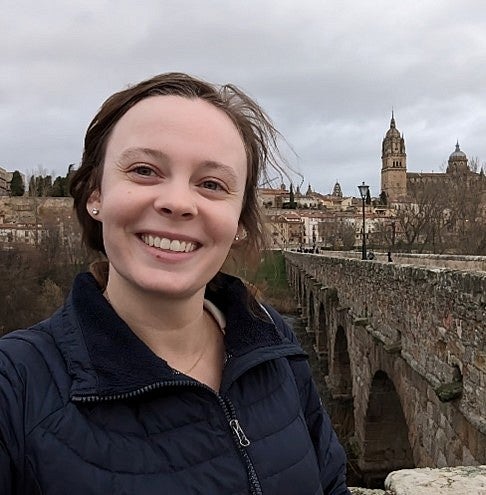
Lizi studies modern Latin American and European art, exploring the ways in which war, revolution, and political upheaval shape avant-garde movements. Her research also examines decolonial feminism and its ties to political ecology, analyzing their impact on artistic expression and cultural narratives.
Francis Cortez

Francis is interested in European and Asian art from the Early Renaissance to Early Modern period, with a focus on Gender and Sexuality in Mythology. She hopes to explore how mythology is interpreted from different countries' approaches to gender and sexuality; as art goes through cultural and social exchanges over time and how that may affect visual depictions. She wishes to further her research about how art can shift between geographical and historical audiences and what those relationships can tell us about cultural and social artistic exchange in mythological art.
Samuel Craig
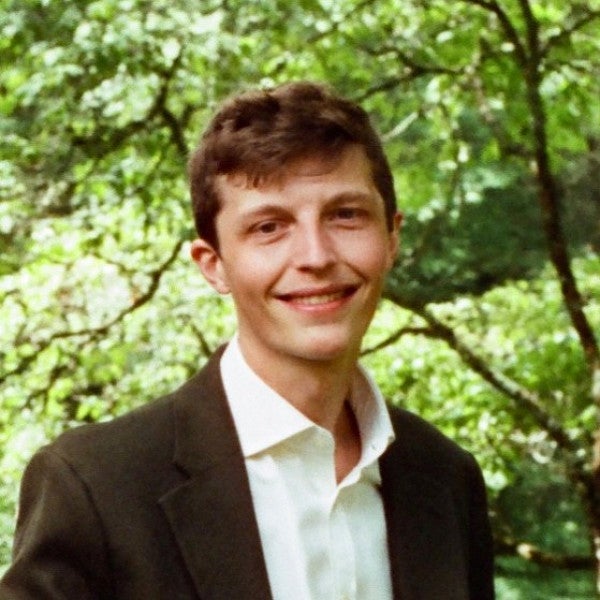
Samuel comes from a background in Classics with a focus on Roman & Etruscan History and Archaeology. His primary research interest is the representation of the Classical world in interactive media through the lens of archaeological theory. His other academic interests include the material culture of both games and magic in the ancient Mediterranean, as well as Islamic Art and History with a focus on the Ottoman Empire and the Anatolian Peninsula. He is pursuing his PhD in Art History and Museum Studies Certificate.
Aidyn Dervaes
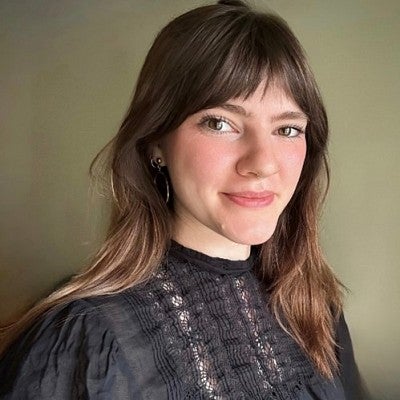
Aidyn studies contemporary art with a focus on how it preserves narratives and fosters connections among people. Aidyn intends to explore how modern artistic practices can capture and communicate diverse experiences and histories. Her academic journey is led by a deep commitment to understanding how art serves as a bridge between individuals, illuminating shared human experiences. Aidyn’s study reflects her belief in the transformative power of art to connect and inspire.
Stormy Dubois
Stormy studies Early Modern European visual culture with a particular interest in religious artwork. She is interested in the relationship between imaged martyrs and body relics, the performance of gender in daily life, and how both may be explored through depictions of death.
Emily Erickson
Emily studies ancient Mediterranean art with an emphasis on the material culture of the eastern Roman provinces. She is particularly interested in exploring how architecture and space express cultural identity on the periphery of empire and in areas of hybridity.
Shannon Fassler
Shannon researches the trade and development of blue-underglazed porcelain in Ming-dynasty China (1368-1644 CE). With a mixed background in art history, English literature, ceramics, creative writing, and museology, their interests are broad-ranging and often overlap. They aim to increase access and equity in arts learning of all kinds, inviting people to connect with themselves and others through art encounters.
Michelle Fieser

My interests are in Modern American architecture, National and State Parks, and Environmental History. Specifically, I study the relationship between wilderness advocacy and park landscape and architectural design.
Darren Helton
Darren studies Medieval art with a focus on sacred architecture throughout the Mediterranean, and he is especially interested in artistic interactions between different regions, communities, and faiths. How that interaction is applied to structures and its social and political implications fascinates him.
Kaitlin Huntington
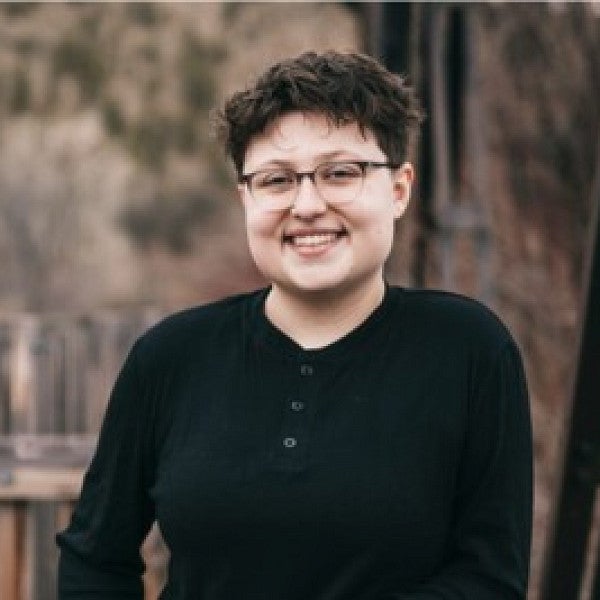
Kait Huntington is a candidate in the Accelerated Master’s Program for Art History at the University of Oregon, where she is also pursuing a Graduate Certificate in Museum Studies. Her research interests include museology and American regional art, with a particular focus on how exhibition practices shape cultural narratives. In 2025, she received the Marian C. Donnelly Book Prize for her paper, “A Challenger of the White Cube: Kitchen Table Talk.” Kait intends to continue her academic path by pursuing a PhD in Art History.
Caitlin Lloyd
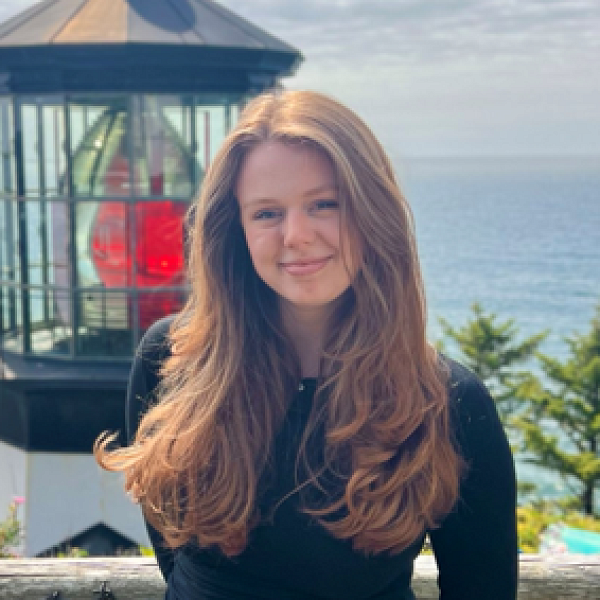
Caitlin studies 18th and 19th century European art with a focus on zoomorphic, environmental, and scientific imagery. She is specifically interested in ideas of the environment, exoticism, and monstrosity in the depictions of marine flora and fauna and transmarine exploration from an ecocritical lens.
Patricia McCall
Patricia McCall studies Medieval art with a special emphasis on sacred spaces in Christian and Jewish structures. She is particularly interested in the creation of sacrality and the ways in which buildings can function as multivalent spaces.
Ali Nemati Abkenar
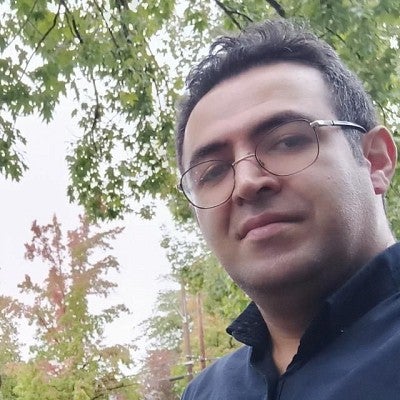
Coming from an Archaeology background, Ali studies cultural exchange and the mutual cultural and artistic relationships between the Iranian world, Central Asia, and East Asia, particularly the regions along the various branches of the Silk Road, based on archaeological data and findings such as pottery, textiles, and paintings. His research interests also include the study of artistic innovations in Iranian art and architecture during the Qajar era (1789-1925) in Iran. Additionally, he is interested in examining the Iranian society's perception of the concept of art and its significance and importance during the Islamic period, with an emphasis on the scholarly value of less-studied sources such as mystical and philosophical texts written in Persian and Arabic
Lachelle Oglesby
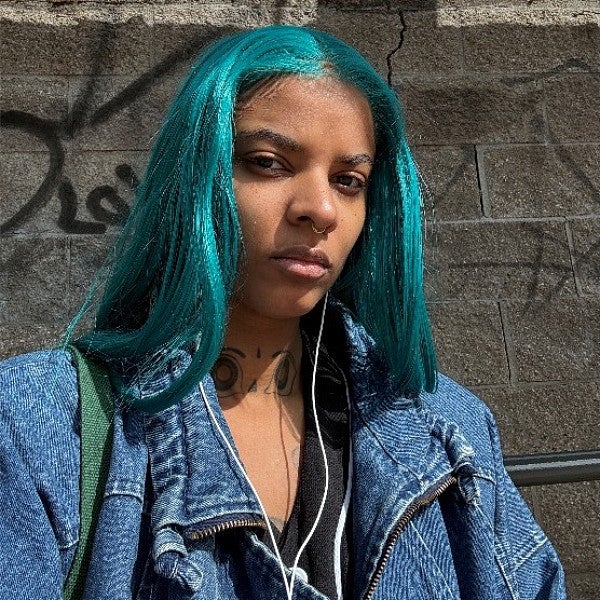
Lachelle’s research focuses on painting in the early Roman empire, particularly in the Bay of Naples and Egypt. Their interdisciplinary projects have considered the Pompeian amphitheater fresco through a decolonial lens; the racialized reception of Cleopatra in the modern world; and the afterlives of Roman wall paintings in Byzantine Egyptian textiles. Their MA qualifying paper examined the intersection of gladiators, Dionysiac nostalgia, and collective trauma in the Pompeii amphitheater’s lost decorative program. During their PhD, they hope to explore how hauntology, the Gothic, and Black feminist methodologies can offer new ways of understanding Roman visual culture.
Destiny Pindell
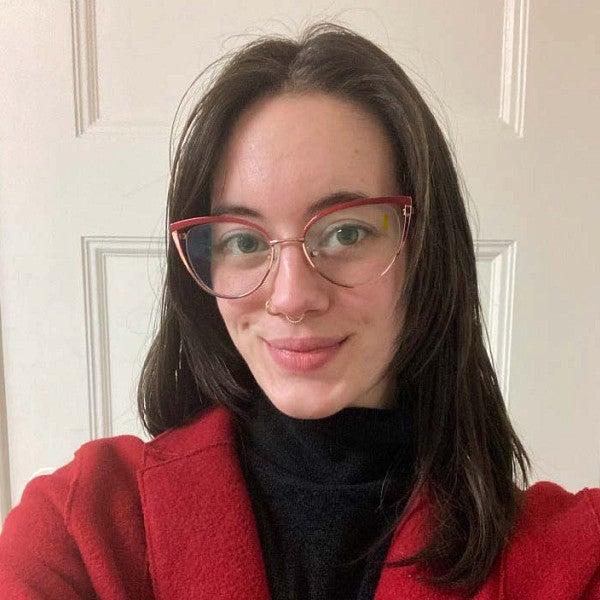
Destiny (Des) Pindell studies modern and contemporary artistic practices with a focus on traditional techniques of craft in the contemporary landscape, and the nuances these narratives carry. Drawing from a background in studio art, their research centers on three-dimensional works using natural materials to foreground cultural values, traditional knowledge, and reciprocal relationships between artistic practice, land, stewardship, and community. Their work engages questions of cultural and material inheritance, ecological responsibility, and the importance of relationships that bind people to place. In addition, Destiny is interested in preservation ethics, folkloric perspectives on cultural transmission, and stewardship-based museum practices.
Rebecca Schultz

Rebecca Schultz is interested in exploring the structures of meaning encoded in the visual representation of women in French prints and engravings produced during the Revolutionary and Napoleonic eras. Her research examines the complex interplay between visual rhetoric and social upheaval and its far-reaching impact on political discourse, legislative frameworks, and systems of power. She has also cultivated an interest in the broader theoretical and philosophical inquiries into the ontology of art and the fungibility of the meaning of art when it becomes a financial asset.
Rebecca earned a BA from UC Berkeley and worked as a content manager and editor in tech. She currently works for the Composition Program in the Department of English at the University of Oregon.
Tori Stevenson
Tori studies modern Latin American/Caribbean and European art, exploring the ways in which cultural, social, and political movements are shared, adapted, and transformed through artistic movements and exchanges in these regions. Her research also examines the interplay of the work of influential Caribbean philosophers in these spheres and the construction of the term “outsider art.”
Sarah Wildwind
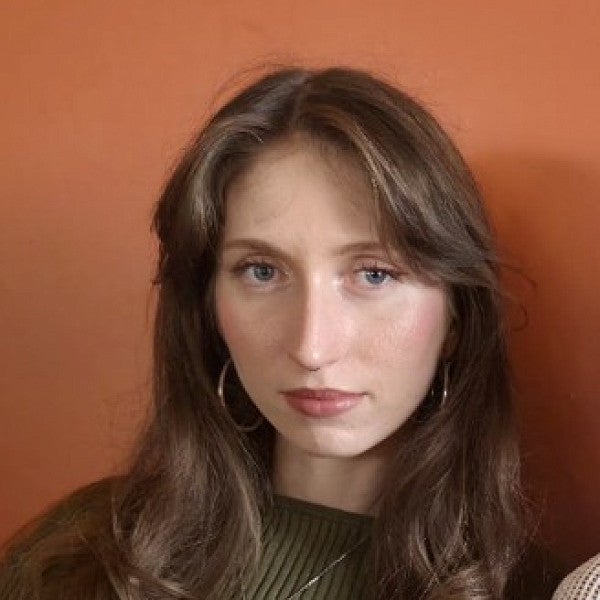
Sarah’s area of academic interest lies in the Early Medieval Period, with a particular emphasis on how cross-cultural interaction shaped the visual languages of different social and religious groups in Europe, the Mediterranean, and West Asia. Her research focuses on liminal and transgressive art that exists at places of cultural overlap.