Meet the Team
The London Stage Database, like any project of this scope, is the work of numerous individuals across multiple disciplines and institutions who have contributed a range of skills and expertise.
Principal Investigator and Project Director
Mattie Burkert, PhD
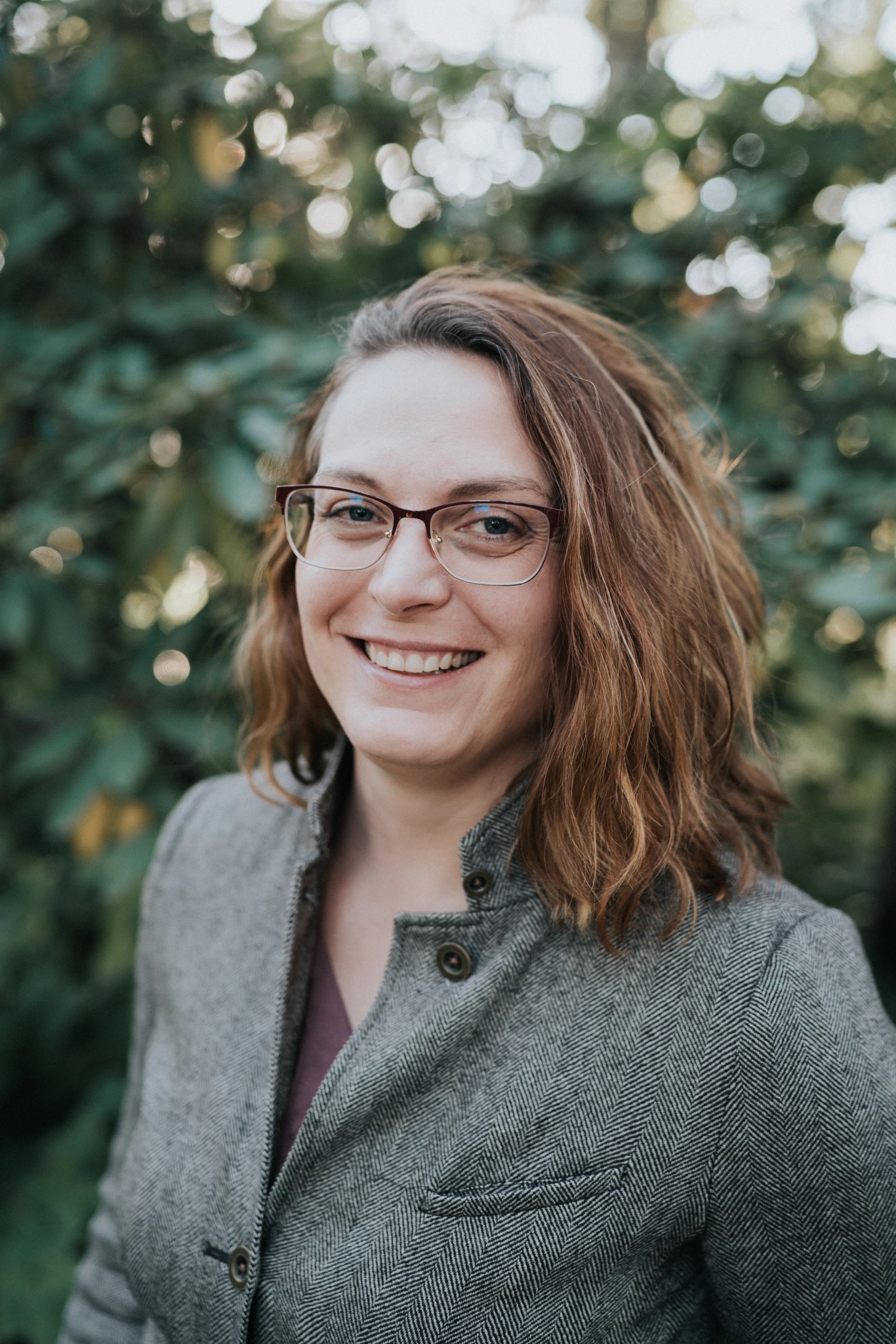
Associate Professor, Department of English, University of Oregon
As project director since 2018, Mattie Burkert has overseen the transformation of an early humanities computing project into a modern relational database, the London Stage Database. With the support of a second grant from the National Endowment for the Humanities, Burkert now leads the next phase of the project to expand the database’s content, functionality, and sustainability, bringing a nuanced understanding of eighteenth-century theatrical culture to a broader user base. She is the author of Speculative Enterprise: Public Theaters and Financial Markets in London, 1688-1763 and has published widely on the topics of digital humanities, new media studies, early modern and eighteenth-century literature, and theater and performance.
Informationists
Franny Gaede, MSIS

Strategic Projects Librarian, University of Oregon
At UO Libraries, Gaede provides leadership and support for digital collections, digital preservation, scholarly communication, digital research support, and library-led open access publishing. Gaede has served as Project Team Leader of the PNW Just Futures Institute and as Principal Investigator on major Mellon- and IMLS-funded projects promoting open digital scholarship across disciplines. As part of the LSDB team, Franny advises on project sustainability, digital rights management, and intellectual property.
Erin Winter, MS, MSLS
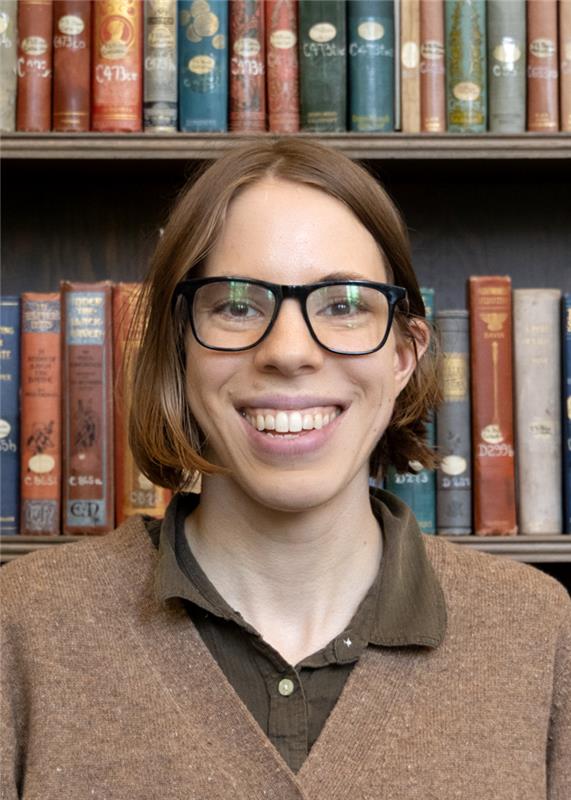
Research Data Management Librarian, University of Oregon
With degrees in both Computer Science and Library Science, Winter consults with researchers on topics such as data manipulation and cleaning, version control, and project management for computational research. While Winter collaborates with faculty, staff, and students across disciplines, she has a particular interest and depth of experience in digital humanities, having worked on sponsored DH projects at the University of Wisconsin, UNC-Chapel Hill, and Duke University. Winter collaborates with other LSDB team members on the curation of new data and metadata, focusing on Linked Open Data and interoperability efforts.
Linked Open Data Consultant
Lauren Liebe, PhD

A specialist in early modern and Restoration English drama, Liebe is the project developer and general editor of Digital Restoration Drama, an open access database of seventeenth-century play texts. Previously, Liebe served as a Postdoctoral Fellow at the Center of Digital Humanities Research at Texas A & M and as a Project Manager for the Advanced Research Consortium, a hub promoting DH research discovery, peer review, and data aggregation. For the LSDB, Liebe is currently working to link named entities to their VIAF identifiers, enhancing the interoperability of the site.
UO Information Services Team
The London Stage Database is maintained by a team of dedicated developers and programmers at UO. Currently, the software development team is working to improve site functionality, ensure long-term preservation of the project, and support the ingestion of new primary source material. The team provides crucial technical support and oversight of the database as the LSDB continues to enhance user experience and expand the range of search capabilities.
Dennis Pipes, MEd
Analyst Programmer
Pipes has worked in both K-12 and higher education for over twenty years, serving as an instructor, support specialist, and web developer. He also has over ten years of experience in the private sector as a trainer and tech generalist.
Tyfanie Wineriter, BS
Software Solutions & Development Manager
Wineriter leads the Custom Software Development team at UO, where she specializes in employee engagement, project management, resource management and planning, and development standards.
John Zhao, MS
Analyst Programmer
Zhao has twenty years of experience in web and software development. He has expertise in Drupal, WordPress, and Docker, as well as several back-end technologies, such as Angular, .NET Core, Azure, and API.
Current Research Assistants
Frida Heitland, MA, MSt
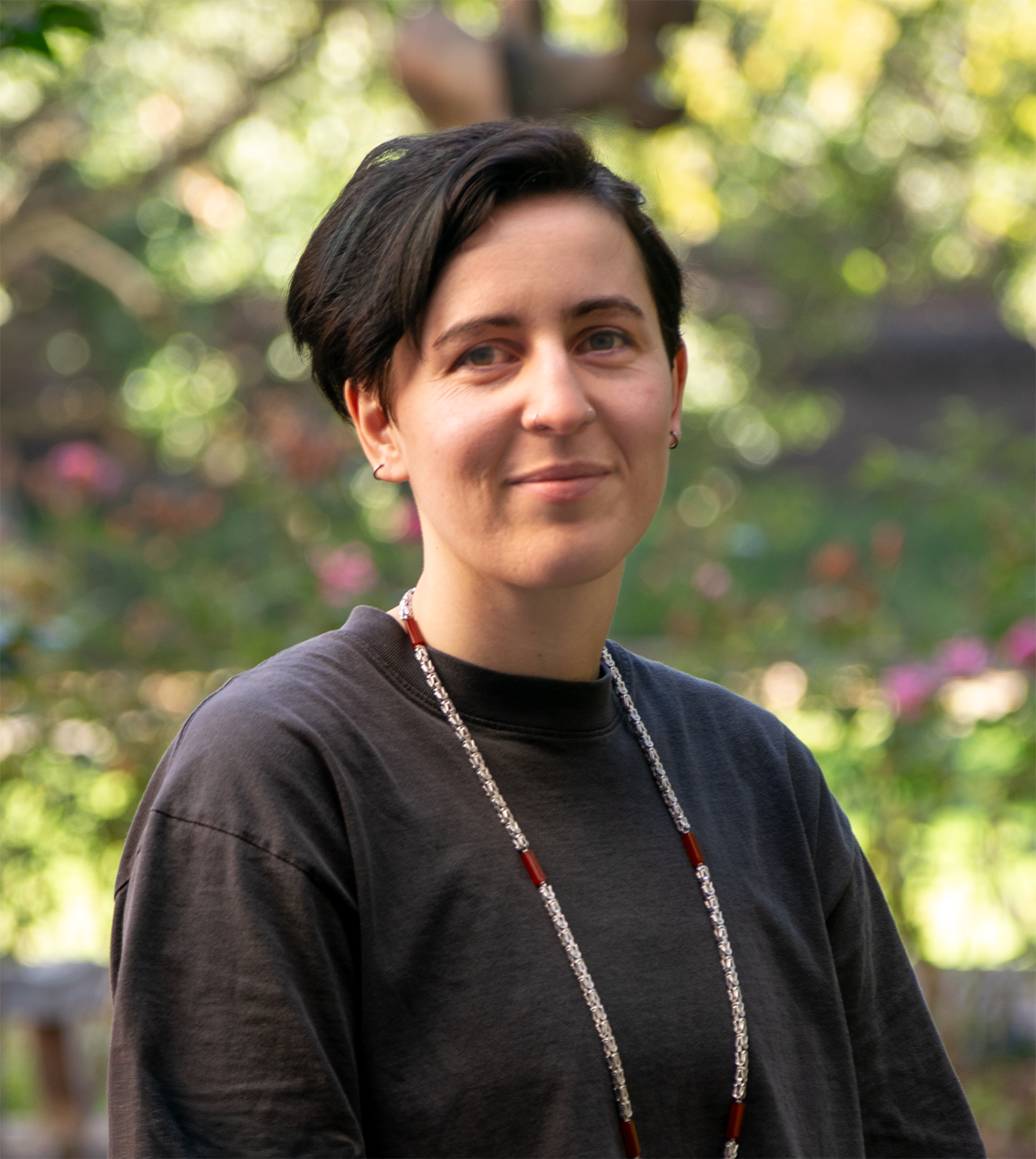
Doctoral Candidate, Department of English, University of Oregon
Frida Heitland’s research combines comics studies and environmental humanities with a focus on embodiment and the climate crisis. Driven towards community, they are a 2026 HASTAC scholar and a past Executive Board member of both the Graduate Student Caucus of the Comics Studies Society and of their local graduate union chapter. At UO, they have been active in the New Media and Culture Certificate and involved with the undergraduate Digital Humanities minor as both a Project Assistant and a Teaching Assistant. As the Graduate Research Assistant for LSDB in 2026-27, Heitland will serve as data manager, develop content for the website and blog, and mentor the team's undergraduate Research Assistants.
Ceilidh McCallum-Noval Roberts
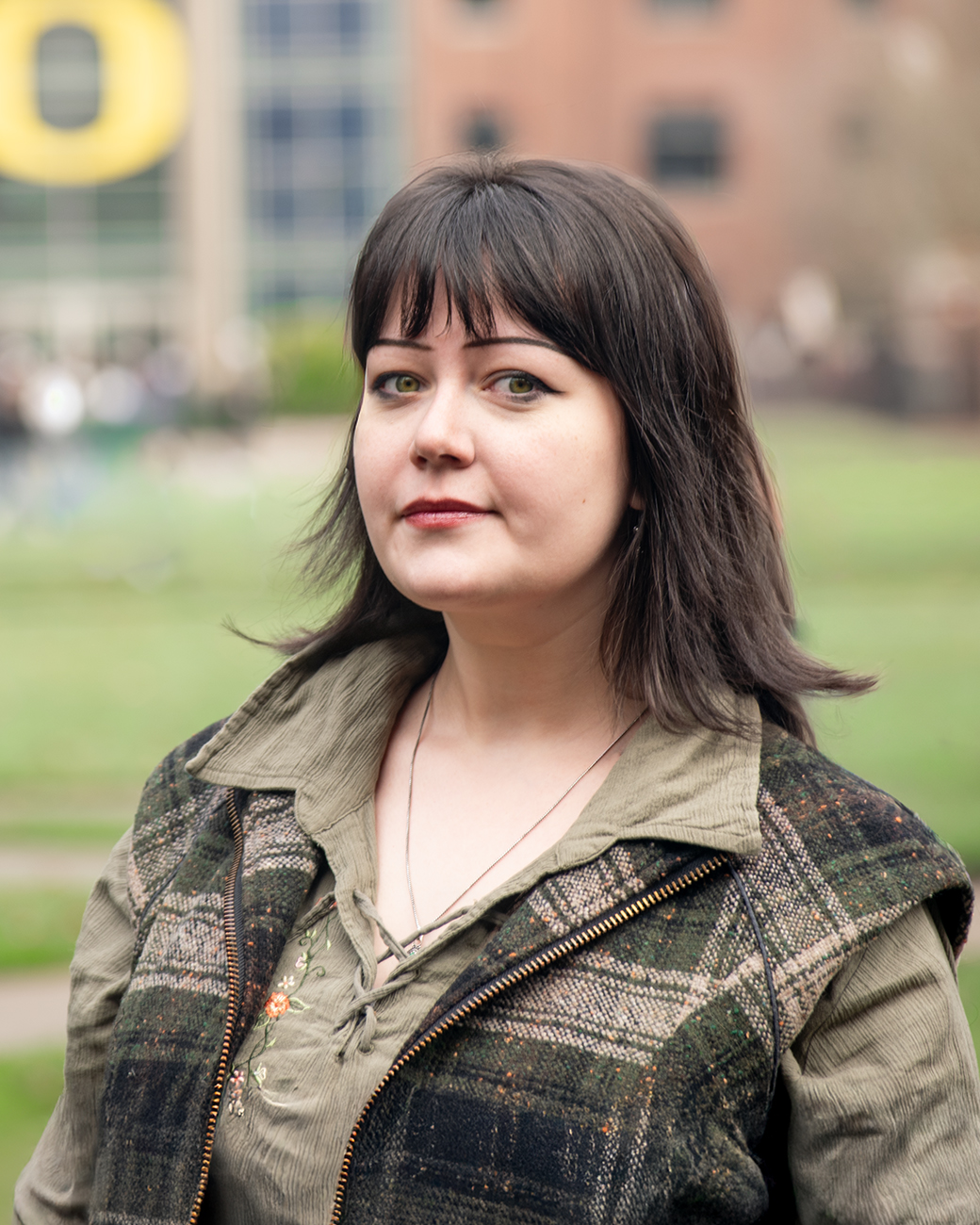
BS Student, Cultural Anthropology, University of Oregon
As a Cultural Anthropology student specializing in Digital Humanities, Roberts is excited to continue working with the LSDB for another year. Her work with the LSDB in 2025-2026 touched on both the technical and research sides of the project, as she started the year with an Accessibility Audit for the website, and data curation and research for a developing project. Roberts also conducted independent research as part of the LSDB's blog series "The Data-Sitters Club" on the Harlequin Afterpieces of the "The Beggar's Opera". In 2026-2027, Roberts continues her specialization in data curation for internal LSDB projects, and will assist with the implementation of new site features.
Former Research Assistants
Emma
Kaisner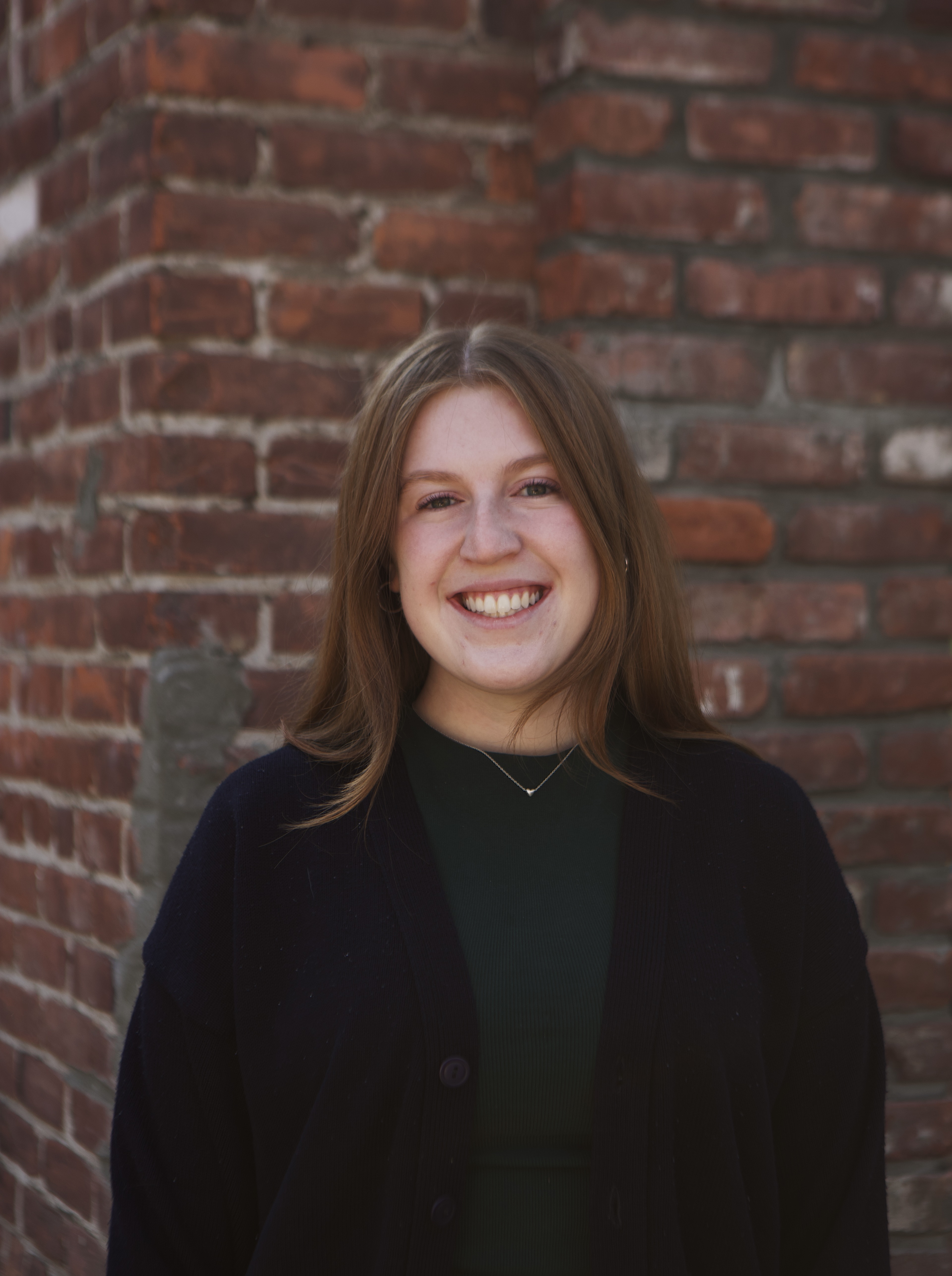
BA Student, Economics & English, University of Oregon
In 2025, Kaisner graduated from the University of Oregon and the Robert D. Clark Honors College. As an Economics and English student, Kaisner was interested in the interactions between literature, economics, and data science. During her time as a LSDB team member in 2024-2025, Kaisner assisted in data collection and the implementation of a communications strategy for the project. Kaisner also developed her own timeline project on Rehearsal Plays using database research to further engage with her own research interests. In 2026, Kaisner took a position with the Tribeca Film Festival.
Quynh-Tran Le
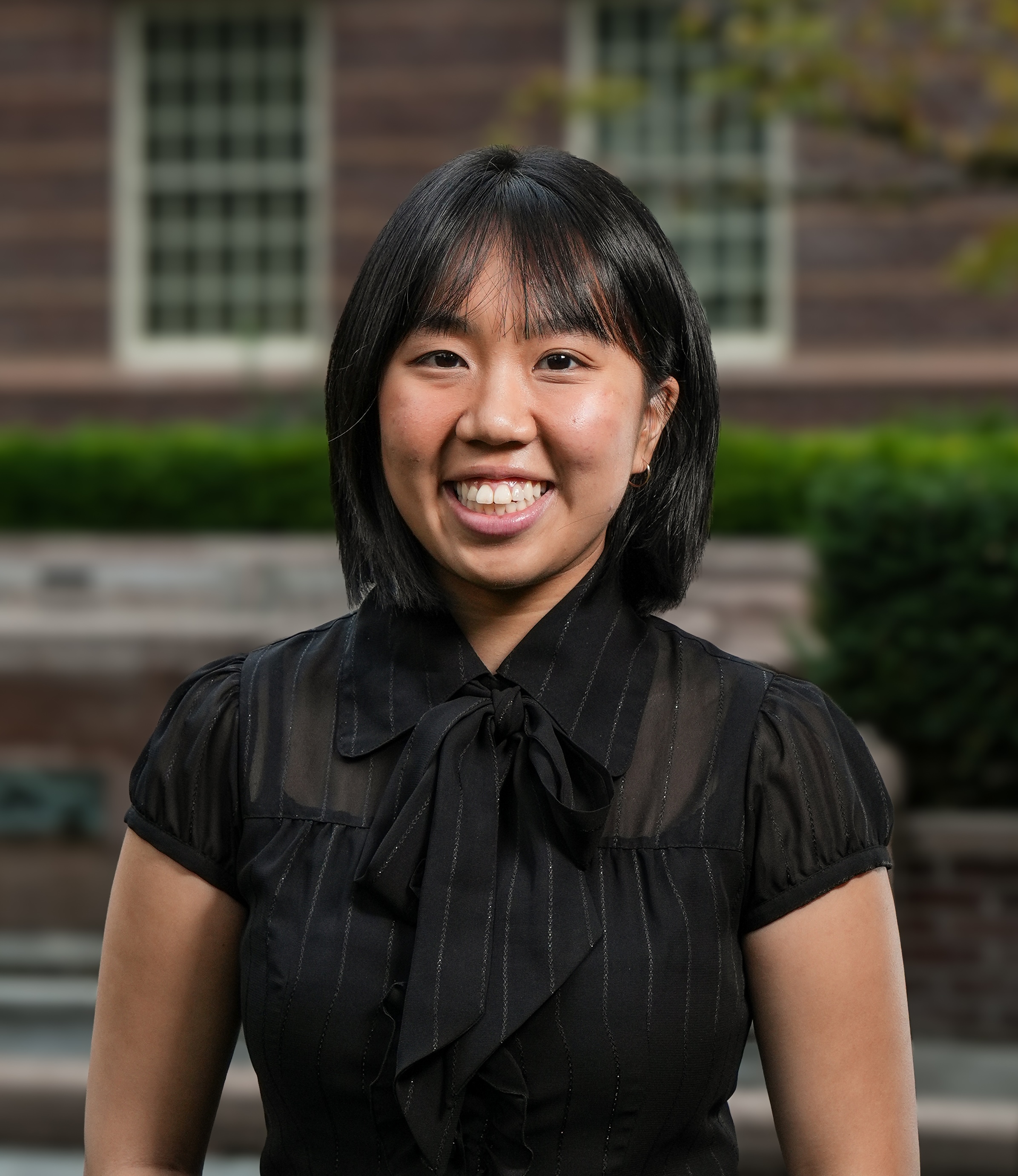
BS Student, Data Science, University of Oregon
Le is a senior at the University of Oregon and a student in the Robert D. Clark Honors College. Studying Data Science, Le is particularly interested in the intersection of data and business, with a focus on marketing analytics and insights. Le completed an independent research project on data visualizationwith the London Stage Database in spring 2024. She also liaised with Jeffrey Ravel's team at MIT to support interoperability between the LSDB and the Transnational Stages project.
Michele Pflug, MA
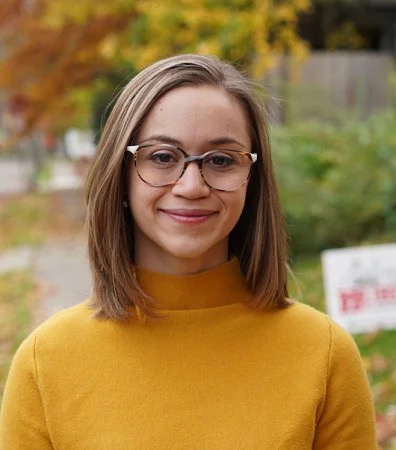
Doctoral Candidate, Department of History, University of Oregon
Pflug’s research interests lie at the intersection of the history of science, women’s studies, collections management, and media studies. Her doctoral work has been recognized with an ACLS Dissertation Innovation Fellowship and awards from the Bibliographic Society of America, the American Society for Eighteenth-Century Studies, and the Linda Hall Library. A former rare books curator, she has contributed to and supported the development of various digital projects hosted by galleries, libraries, museums, and archives. In 2024-2025, Pflug and LSDB team member Erin Winter developed data and metadata curation protocols that expand the range of sources available to LSDB users. Shortly after her time with the LSDB, Pflug was hired at the High Desert Museum in Bend, OR as the Curator of Natural History.
Rose Leigh Ruhnke
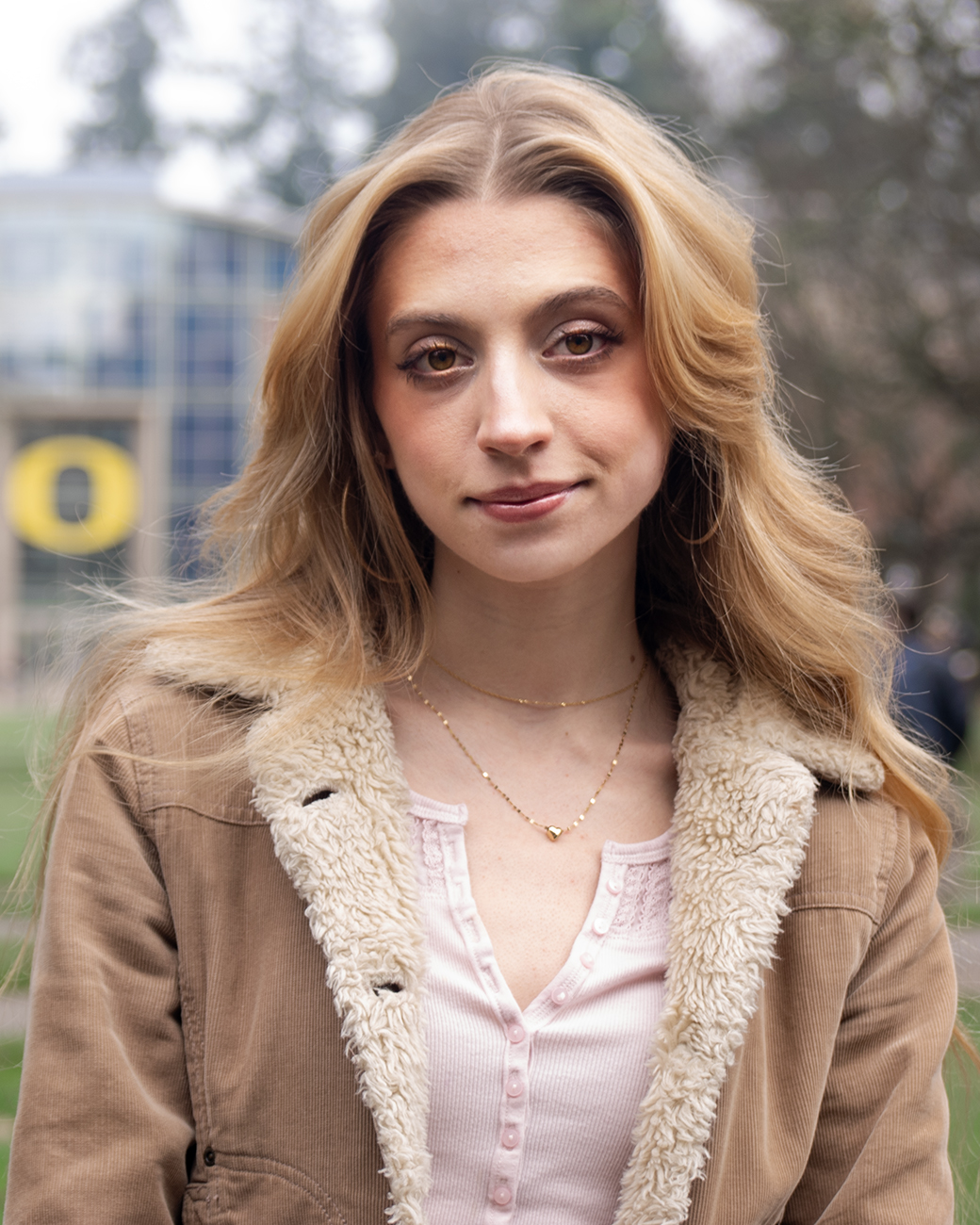
BA Student, English & Legal Studies, University of Oregon
An English major with a minor in Legal Studies, Ruhnke transferred to the University of Oregon after completing an early college program at Portland Community College. Growing up, she spent her weekends acting at a local arts center, where she developed a deep love for theatre history, which prompted her to spend her first term at the University of Oregon researching John Dryden’s Marriage à la Mode. From January to June of 2026, Rose developed the "Theater Thursday" feature on the LSDB blog. She won two undergraduate research awards for her public scholarship. working on the London Stage Database, Ruhnke focused on advancing
Advisory Board
The advisory board—a diverse group of digital humanities practitioners, theater researchers, teachers, dramaturgs, software engineers, data journalists, and genealogists—offers expert guidance on the current expansion of the LSDB project. Together, their areas of expertise reflect the LSDB’s goal to engage and grow user communities by making relevant data accessible and interoperable.
Misty Anderson, PhD
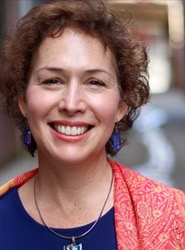
Professor of English, James R. Cox Professor of Arts and Sciences, University of Tennessee
Anderson is the author of Imagining Methodism in Eighteenth-Century Britain: Enthusiasm, Belief, and the Borders of the Self and Female Playwrights and Eighteenth-Century Comedy: Negotiating Marriage on the London Stage. As one of the founders of the R/18 Collective—an international consortium of theater scholars and practitioners—she is committed to re-imagining the Restoration and eighteenth-century theatrical repertoire in ways that address the deep histories of race, gender, empire, sexuality, and class that have shaped the modern world.
Michael Gamer, PhD
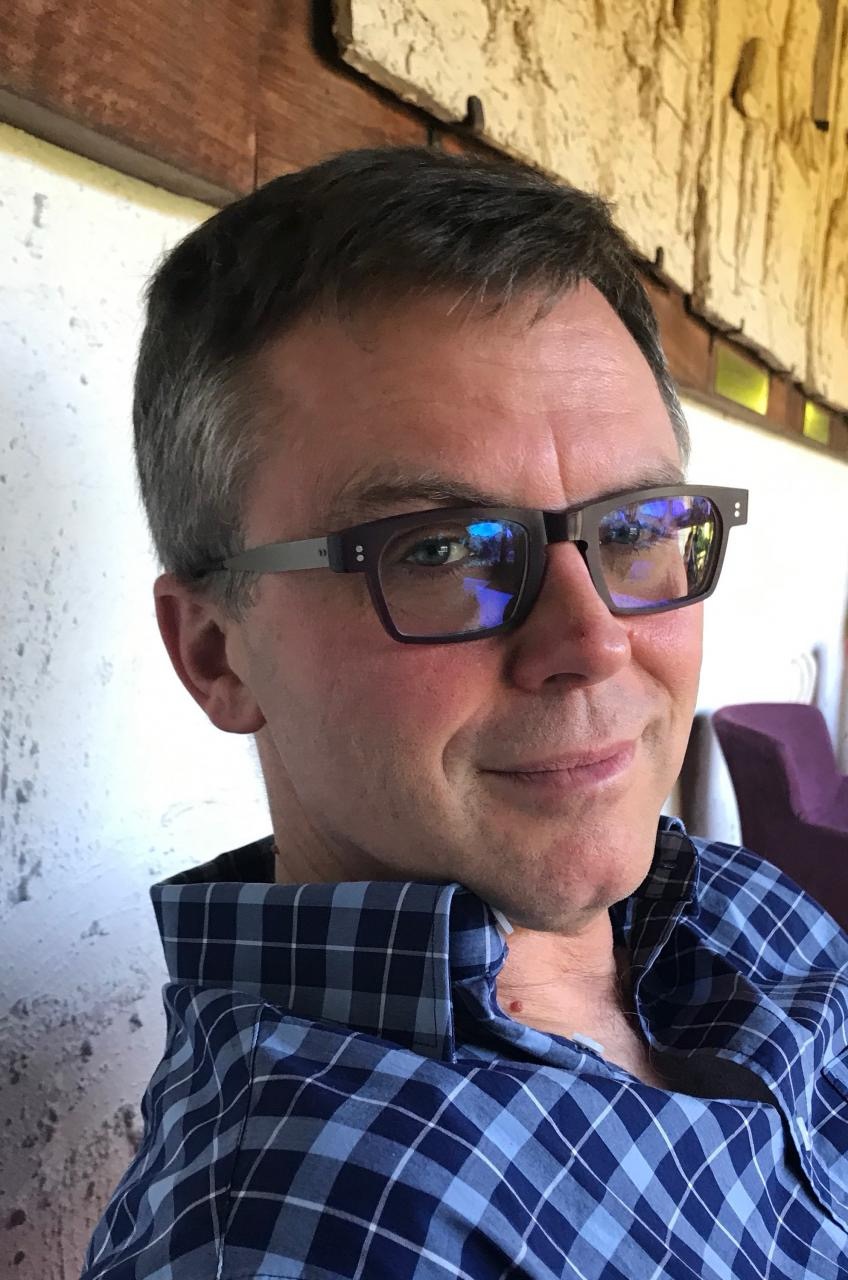
Professor of English and Comparative Literature, University of Pennsylvania
Gamer’s research investigates how context shapes media ecologies and impacts aesthetic forms in 18th-Century and 19th-Century British Literature. He is the author of two monographs: Romanticism, Self- Canonization, and the Business of Poetry and Romanticism and the Gothic: Genre, Reception, and Canon Formation. His book on melodrama and an associated digital project asking what playbills read en masse can tell us has been accepted for publication.
Michelle J. Holman, MLIS
Principal Genealogist, Family History Gifts
A trained genealogist, reference librarian, and music cataloguer, Holman has a particular interest in theatrical personalities and hereditary theater families of the eighteenth century. Her 2026 book Recording the Nations is a study of the work and lives of nineteenth-century census enumerators. A regular user of the London Stage Database, Holman has become an important advocate of the project in genealogy and music history circles, referencing it in blog posts, podcast appearances, and articles for popular outlets like Family Tree Magazine.
Todd Hugie, MLIS, BS
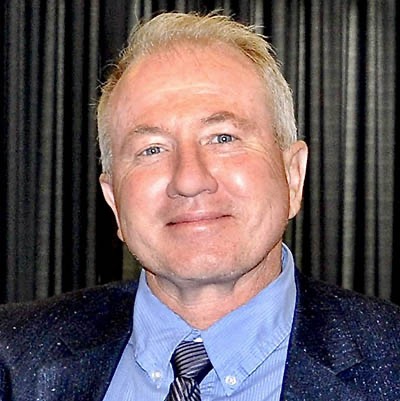
Director of Library Information Technologies, Merrill-Cazier Library, Utah State University
Hugie manages technology projects, standards, and processes for the Merrill-Cazier Library. During the first iteration of LSDB, Hugie designed the database’s relational structure and helped recover damaged files from the London Stage Information Bank; he continues to serve as a source of institutional memory during the next phase of LSDB’s expansion.
Atesede Makonnen, PhD
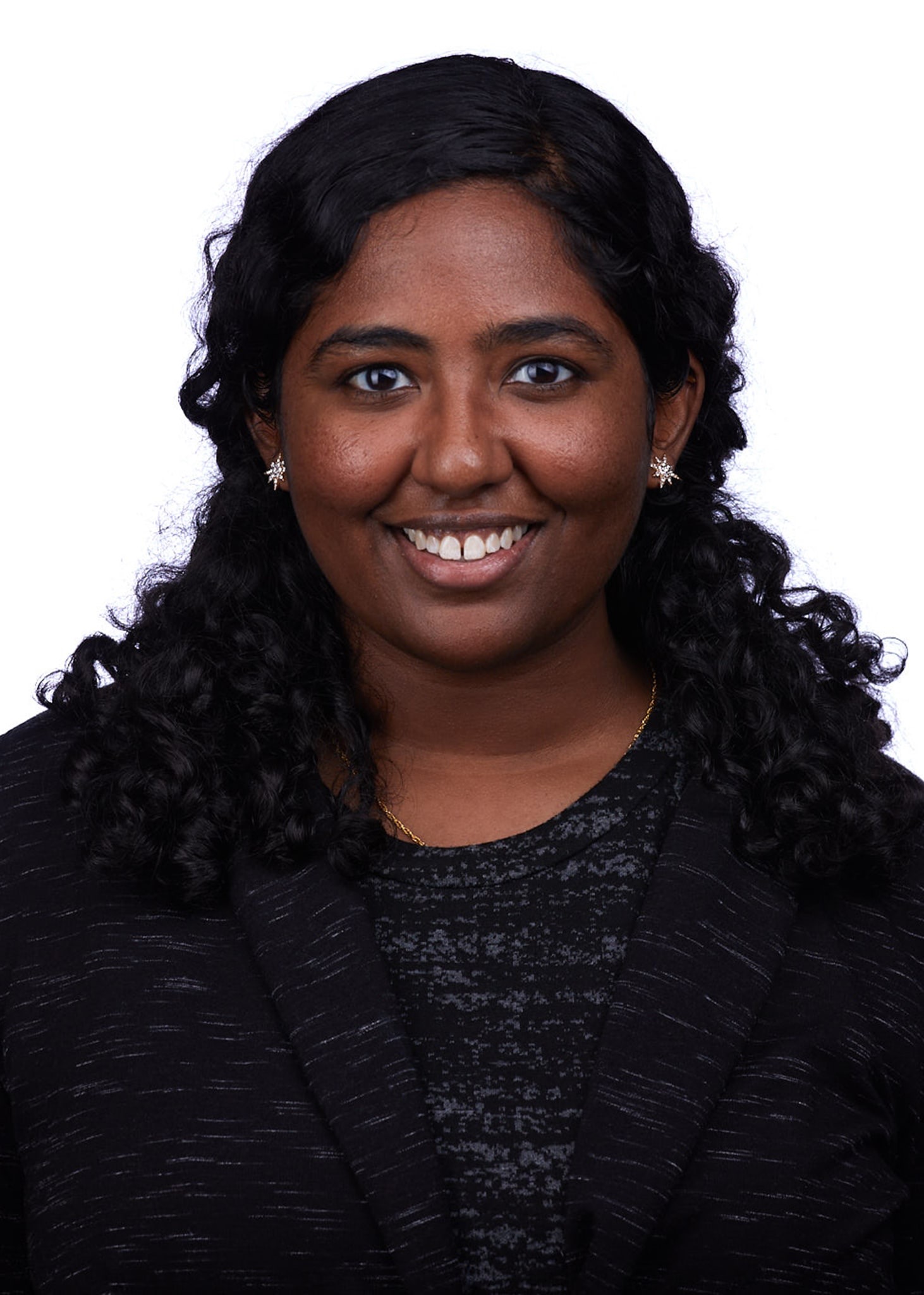
Assistant Professor, Department of English, Carnegie Mellon University
Makonnen’s research focuses race in eighteenth and nineteenth-century Britain. Her articles have appeared in journals including European Romantic Review, Studies in Romanticism, and Victorian Studies, and she has contributed to the collections The Cambridge Companion to Romanticism and Race, and The Visual Life of Romantic Theatre, 1770-1830. Her current book project is titled Sensing Blackness in Nineteenth-Century British Culture.
Derek Miller, PhD
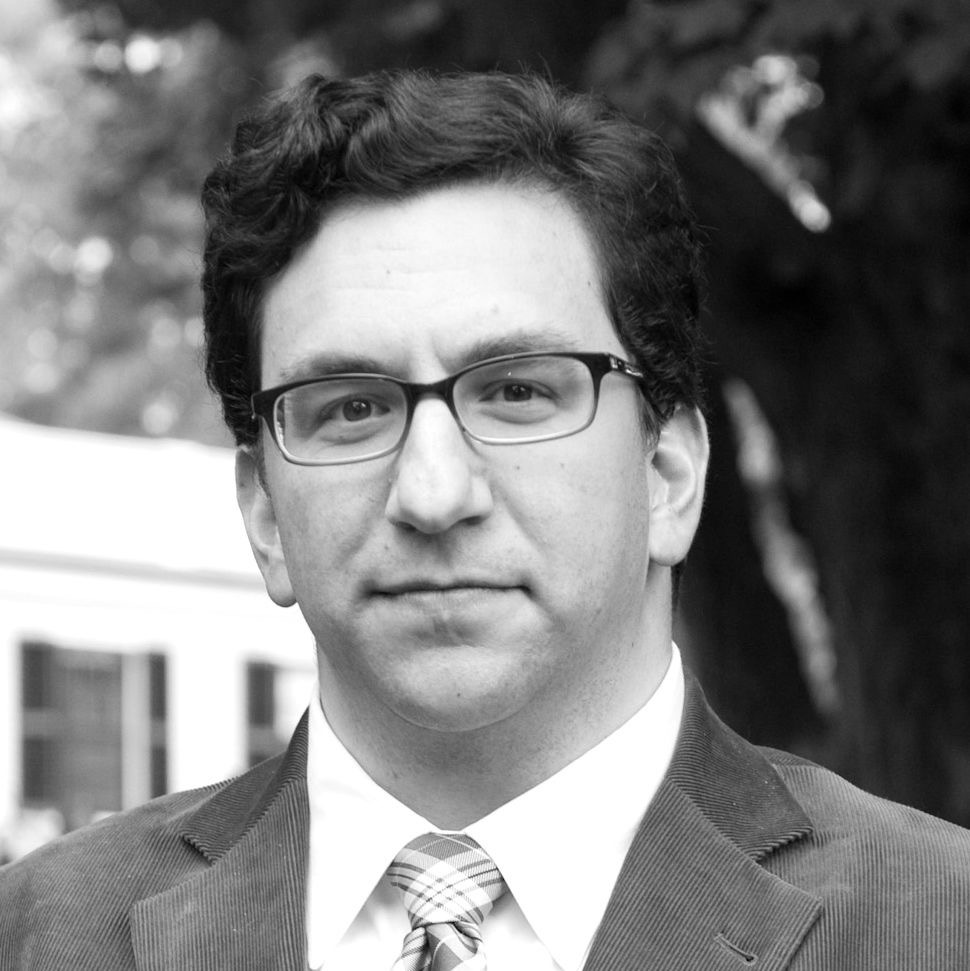
Professor, Department of English, Harvard University
Miller is the author of Copyright and the Value of Performance, 1770-1911 and has published numerous essays at the intersection of theater history and digital humanities. His data-driven investigations of the Broadway repertory, known collectively as Visualizing Broadway, have positioned him as a public expert on show business in mainstream media outlets like CNBC, Playbill, Marketplace, and the New York Times. An enthusiastic contributor to the LSDB project from its earliest days, Miller’s forensic investigations and creative Python scripting made it possible to recover data from the archival remains of its 1970s predecessor.
Chelsea Phillips, MFA, PhD
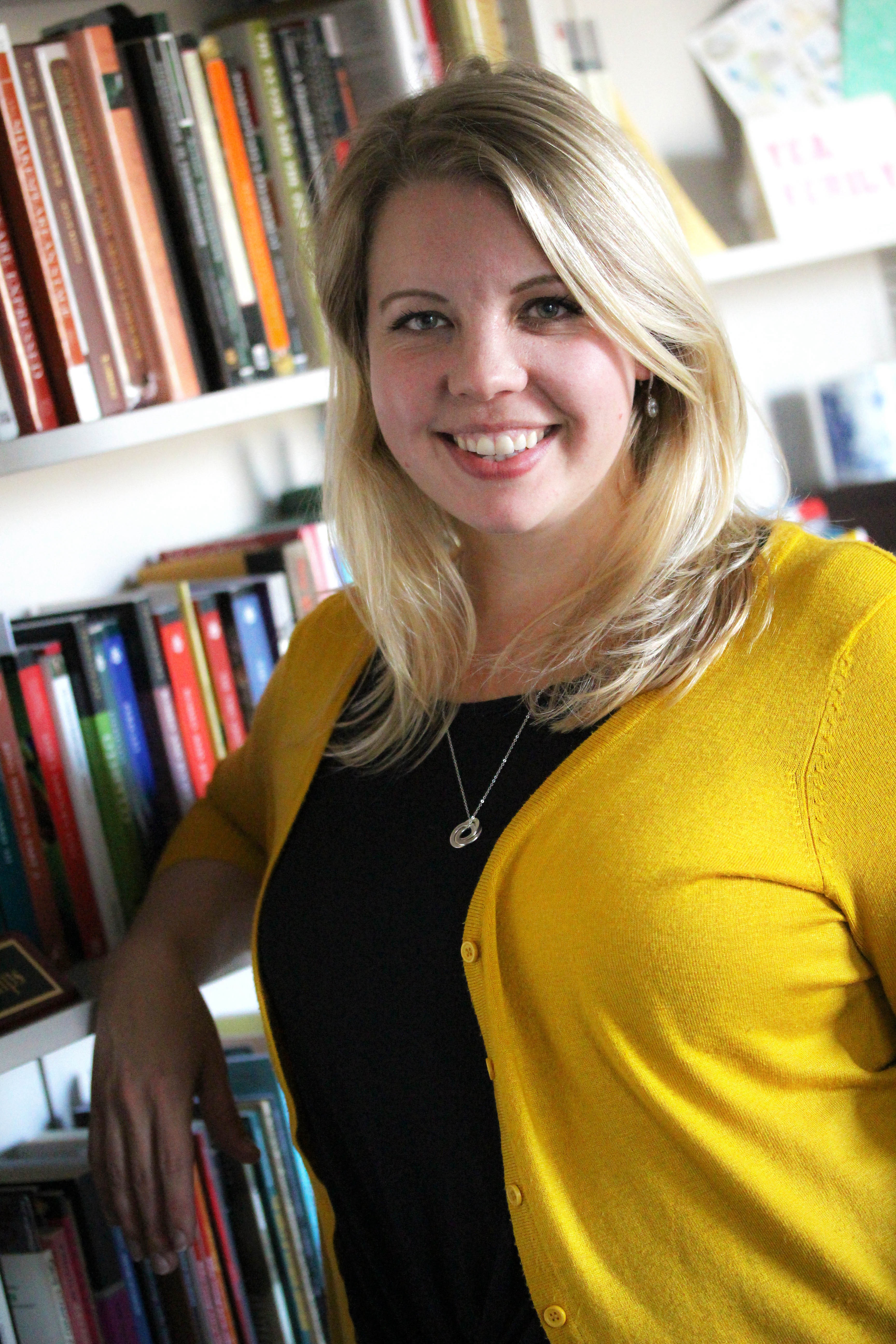
Associate Professor, Theatre Department, Villanova University
Phillips is a professional dramaturg and theatre historian who has published widely on the topics of women and eighteenth-century theatre; her monograph, Carrying All Before Her: Celebrity Pregnancy and the London Stage 1689-1800 reconstructs the histories of six celebrity women to investigate how pregnancy impacted theatrical culture. As a dramaturg, Phillips has worked with various theatre companies, artists, and writers, including the Manhattan Shakespeare Project, Uncut Pages Theatre, and the Royal Shakespeare Company. She is a proud member of R/18, which provides advocacy and dramaturgical support for Restoration and eighteenth-century drama in performance.
Jeffrey S. Ravel, PhD
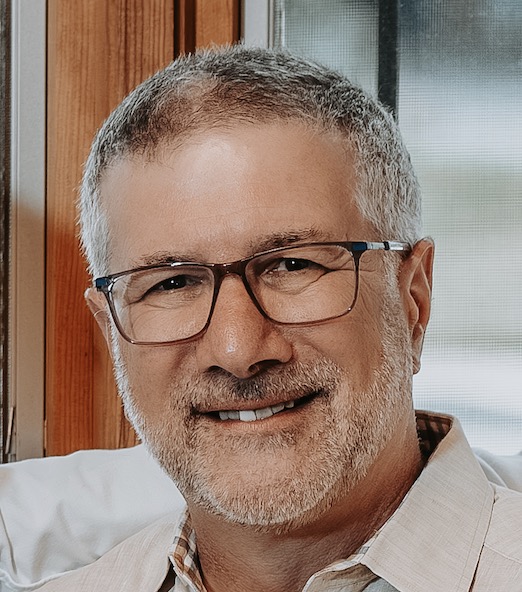
Professor Emeritus, Department of History, Massachusetts Institute of Technology
Ravel specializes in French and European history from the seventeenth through the nineteenth centuries. He is the author of two books: The Would-Be Commoner: A Tale of Deception, Murder, and Justice in Seventeenth Century France; and The Contested Parterre: Public Theater and French Political Culture, 1680-1791. Since 2008, he has co-directed the Comédie Française Registers Project (CFRP) and has contributed to several DH projects and initiatives focused on French theatre and culture. Ravel formerly served as the president of the American Society for Eighteenth Century Studies. He is a powerful advocate for interdisciplinary, collaborative, data-driven approaches to theater history.
Fiona Ritchie, PhD
Associate Professor of Drama and Theatre, Department of English, McGill University
Ritchie is the author of two books–Shakespeare in the Theatre: Sarah Siddons and John Philip Kemble and Women and Shakespeare in the Eighteenth Century. Her current project, “Women and Regional Theatre in Britain and Ireland, 1642-1832," has been supported by the Social Sciences and Humanities Research Council of Canada and fellowships at Jesus College and Christ Church, University of Oxford. Ritchie served as a beta tester for the launch of LSDB and provided expert commentary on the project in ABO: Interactive Journal of Women in the Arts and the Economist.
Jeremy Singer-Vine
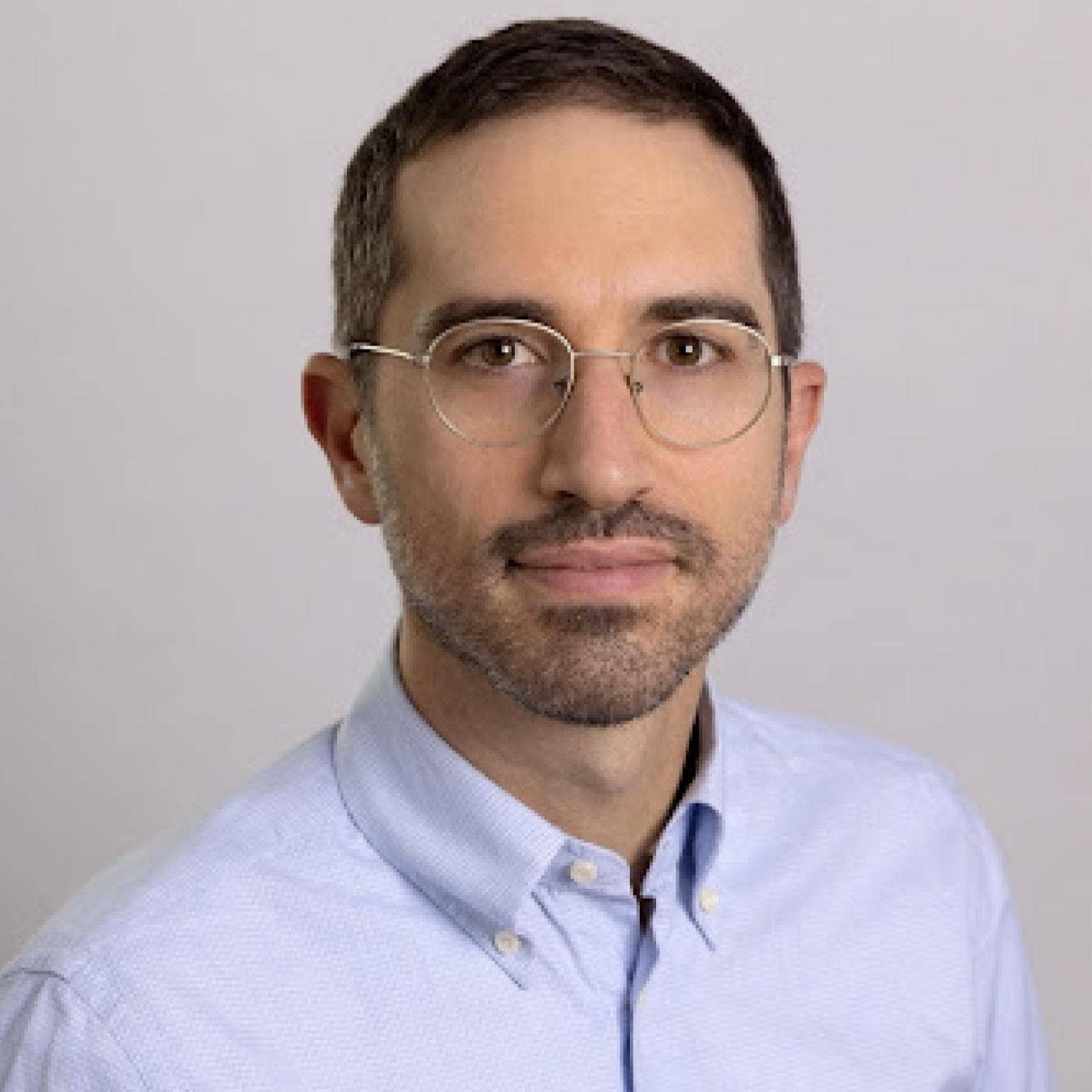
Jeremy Singer-Vine is an award-winning journalist, data analyst, and computer programmer who has worked for various news outlets, including The New York Times, BuzzFeed News, and the Wall Street Journal. From 2022 to 2024, he ran the Data Liberation Project, an initiative to identify, obtain, reformat, clean, document, publish, and disseminate government datasets of public interest. Singer-Vine also publishes a weekly newsletter, Data is Plural, where he shares and explains a range of pertinent datasets to a large public following. Through podcasts, newsletters, and editorial work, Singer-Vine has played a key role in bringing LSDB to the attention of the data visualization community.
Mark Vareschi, PhD
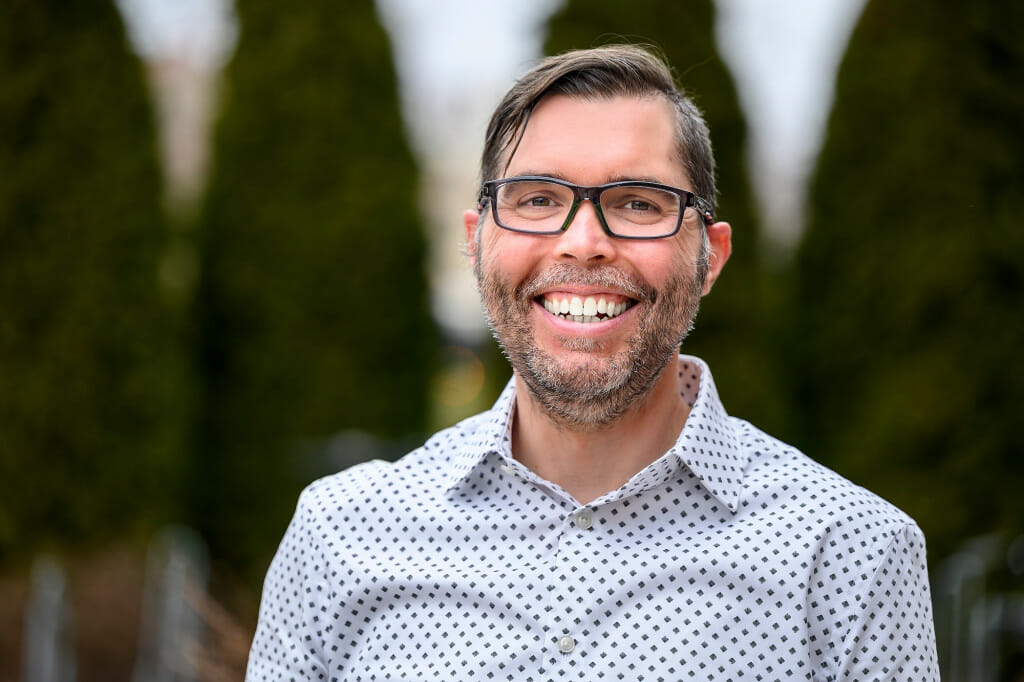
Associate Professor, Department of English, University of Wisconsin-Madison
Vareschi is the author of Everywhere and Nowhere: Anonymity and Mediation in Eighteenth-Century England and co-editor of Intermediate Horizons: Book History and the Digital Humanities. His current book project, Figures of Surveillance, locates the origins of the 21st-century surveillance subject in early modern theories of memory, sympathy, and identity. Vareschi brings to the board expertise both in the practical uses and theoretical problems of data-driven approaches to the study of theatrical and print cultures, particularly in how digital resources tend to reinscribe authorial attribution with vexed histories.
Jane Wessel, PhD
Associate Professor, Department of English, U.S. Naval Academy
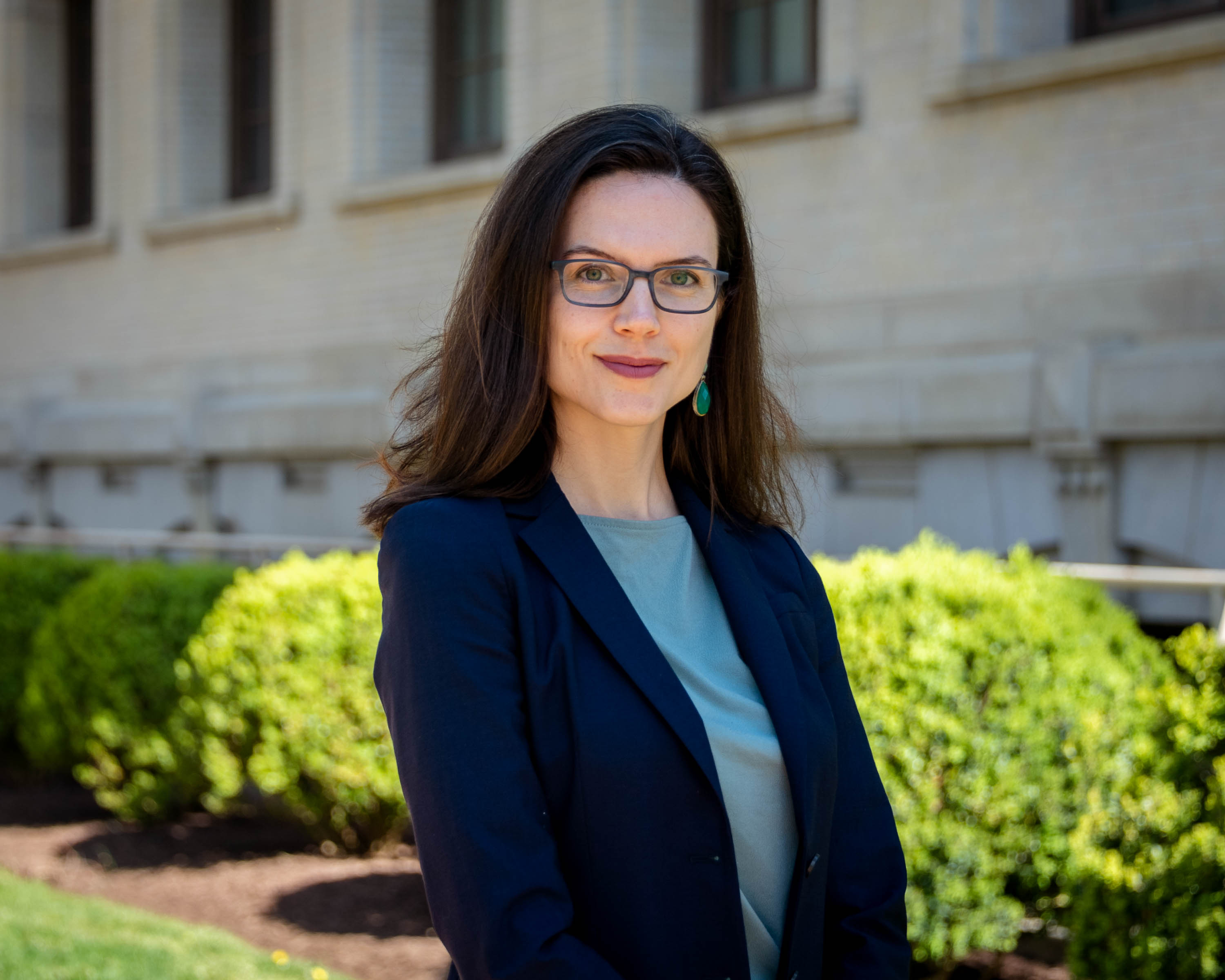
Wessel specializes in eighteenth-century British theater history, performance studies, and the rise of the modern celebrity. Her book Owning Performance | Performing Ownership: Literary Property and the Eighteenth-Century British Stage, sheds new light on the legal and financial strategies that shaped dramatic literature and theatrical culture between 1710 and 1833. Wessel has held research fellowships at the Folger Shakespeare Library, Chawton House, Houghton Library, and Lewis Walpole Library, affording her in-depth knowledge of the key archives of eighteenth-century British theater.
Kalle Westerling, PhD
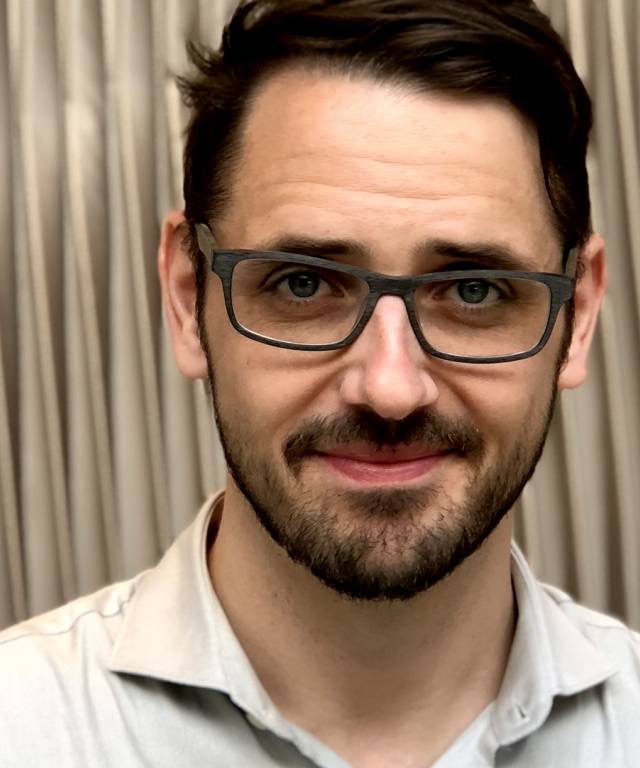
Research Application Manager, Alan Turing Institute
An experienced Digital Humanities technologist and project manager with a particular interest in sustainability and capacity-building, Westerling previously oversaw Digital Humanities Research Institutes: Expanding Communities of Practice, an Institute for Advanced Topics in DH funded by two NEH grants. They also worked as a digital humanities software engineer on the Living with Machines project, an interdisciplinary research initiative that explores the impact of the Industrial Revolution on ordinary people. Westerling’s expertise lies at the intersection of DH and theater studies.
Past Members
This project would not be possible without the help of those who supported its earlier stages, including Susan Barribeau, Will Daland, Steven Dast, Erin Dix, Jack Keel, Cal Lee, Bronwen Maseman, Ben Ross Schneider III, Nick Schneider, Cindy Serikaku, Carl Stahmer, Dorothea Salo, Brianna Uzuner, Steel Wagstaff, Kam Woods, Angela Zaytsev, Irene Zimmerman, Dustin Olson, Caden Williams, Emma Hallock, Scott Enderle, Doug Reside, James Ascher, Annette Cottle, Katie Dana, Clint Gillespie, Garth Mikesell, Angela Moore-Swafford, Sam Phelps, Betty Rozum, Annie Strickland-Neilson, Cameron Seright, Joe Kaili, Jesse Sedwick, and Derek Wormdahl.