The Center for Childhood Safety and Wellbeing (CSAW) is a research and outreach center in the University of Oregon College of Education focused on preventing childhood violence and strengthening the conditions that support safety and wellbeing.We work alongside communities, youth, survivors, families, schools, organizations, and public systems to better understand what makes violence less likely and turn what we learn into practical action.As a university center, we bring research, evaluation, and sustained learning capacity to this work while recognizing that communities and people with lived experience hold knowledge essential to prevention. Our work brings these different forms of knowledge together to strengthen prevention over time.
Mission
Collaborating with Oregon communities, youth, families, and traditionally excluded persons to prevent violence and promote healing, belonging, and child and youth wellbeing.
Vision
Every Oregon child/youth experiences safety, belonging, and connection, every family has the support and resources they need, and community members routinely act to advance this vision.
What We Believe
- Childhood violence is preventable.
- Prevention means creating conditions where children, families, and communities can thrive.
- Communities hold knowledge essential to prevention.
- Lived experience is expertise. Youth and survivors bring essential knowledge to understanding childhood violence and shaping approaches to prevention.
- Learning should lead to action. Research and evaluation are most useful when what we learn helps communities strengthen prevention in practice.
How We Work
CSAW brings together research, evaluation, prevention practice, and community knowledge to understand what’s working and translate what we learn into practical action. Across this work, we are committed to advancing equity and strengthening youth, survivor, and community engagement.
- Lived experience as expertise.
- Youth as leaders and decision makers.
- Survivors of violence as leaders and decision makers.
- Child and youth safety as a basic human right.
- Action taking that fosters equity, social justice, and anti-racism.
- Transformative healing, including acknowledgement of the ongoing impact of colonialism, racism, sexism – and the power and opportunity to heal and move closer to realizing equity and justice for all.
- Hopefulness and optimism.
- Practical action-taking, a role for everyone.
- Environments that promote childhood wellbeing.
We believe reducing harm in childhood and adolescence requires broader efforts at violence prevention in communities and the active promotion of equity, social justice, and reduction in racial, neighborhood, and regional disparities. We believe these changes are essential to building communities where every child and youth is connected, families are supported, and community members take positive action.
Why Choice?
This message is at the center of every act of interpersonal violence and abuse: “I will do with you and your body as I please.”
As such, interpersonal violence – including child and adolescent abuse and identity-based harm – is deeply disempowering; power-over is an assault on personal choice.
Choice and empowerment, consequently, are instrumental factors in prevention and trauma healing. Therefore, we believe that choice, equity, and empowerment must be centered in violence prevention work. We are, fundamentally, pro-choice. We support the right to choose one’s own reproductive health decisions and believe that equitable access to high quality health care is a basic human right.
Disclaimer: This statement reflects the values and perspectives of CSAW and is not intended to represent, nor should it be interpreted as representing, the official views of the University of Oregon.
Our Origin Story
The College of Education’s Next 100 Years Series
CSAW’s (formerly CPAN's) formation was inspired by human rights and social justice activists, survivors, the Trauma Healing Project, and residents of Lane County, Oregon. Our mission, vision, and strategies were molded and accelerated by the College of Education’s Next 100 Years series. The Partnership for Nonviolence segment of the Next 100 Years series was spearheaded by Jeff Todahl (UO College of Education), Megan Shultz (CASA and 15th Night), and Alicia Hayes (Lane County Public Health, 4J Board).
A brief summary of CPAN’s formation:
A group of 225 Lane County residents gathered on February 5th, 2011, to imagine a future where child abuse and neglect rarely occurs.... This meeting, a part of the College of Education’s Next 100 Years Series, included a day of assessment and energetic conversations. The results were a consensus that a primary prevention effort focused on preventing child abuse and neglect was necessary and essential to add to current intervention efforts in Lane County. Indeed, without a prevention-focused effort, the group decided there was no reason to believe that continuing on, with no change, would ever lead to the prevention of child abuse at a population level nor a decrease in child abuse rates in Lane County.
The 90by30 Initiative was born of these conversations and, in April 2012, The Center for Childhood Safety and Wellbeing (CSAW) was established at the University of Oregon’s College of Education to serve as the measurement and backbone organization for the initiative. The Ford Family Foundation was the center’s first-in funder and has continuously supported our rural-based community engagement, developmental evaluation, OCAPS pilot, and OCAPS youth inclusion statewide implementation.
In CSAW’s first 3 years, staff and Regional Leadership Team volunteers surveyed and interviewed over 12,000 Lane County residents toward development of a research informed and community-generated child abuse prevention plan.
The 90by30 Initiative was constructed as a grassroots effort, embedded in a research and outreach unit, to demonstrate a community-campus partnership for place-based, childhood trauma primary prevention. 90by30’s goal is aspirational – designed for community members to begin with the end in mind; to envision the practical steps each one of us can take to ensure safe, healthy and nurturing environments for all children in our communities. A well-organized, locally developed, and research informed effort that engages and activates the general public, we believe, is essential to achieve this aspirational goal.
CSAW and 90by30’s work has since expanded, including a more direct emphasis on promotion of equitable environments that foster childhood well-being and a more inclusive definition of violence in childhood, i.e., identity-based violence.
Community Engagement – Our Roots
In the first 3 years, our staff and community volunteers surveyed, interviewed, and listened to over 12,000 Lane County and Whatcom County (comparator community in Bellingham, WA) residents. This deep community engagement, occurring in Dari Marts, granges, community centers, schools, and more, was designed to be inclusive, e.g., interviews included male residents at the Oregon State Penitentiary, survivors with The Trauma Healing Project, males who use violence with CAFA’s “batterer intervention” program, Head Start and Early Head Start parents, and youth with Juventud Faceta.
These interviews and conversations were designed to tap community knowledge, attitudes, and pro-prevention behaviors associated with child abuse and neglect. Interview and survey questions during this intensive community engagement phase matched those asked of presenters at the College Of Education’s Next 100 Years event.

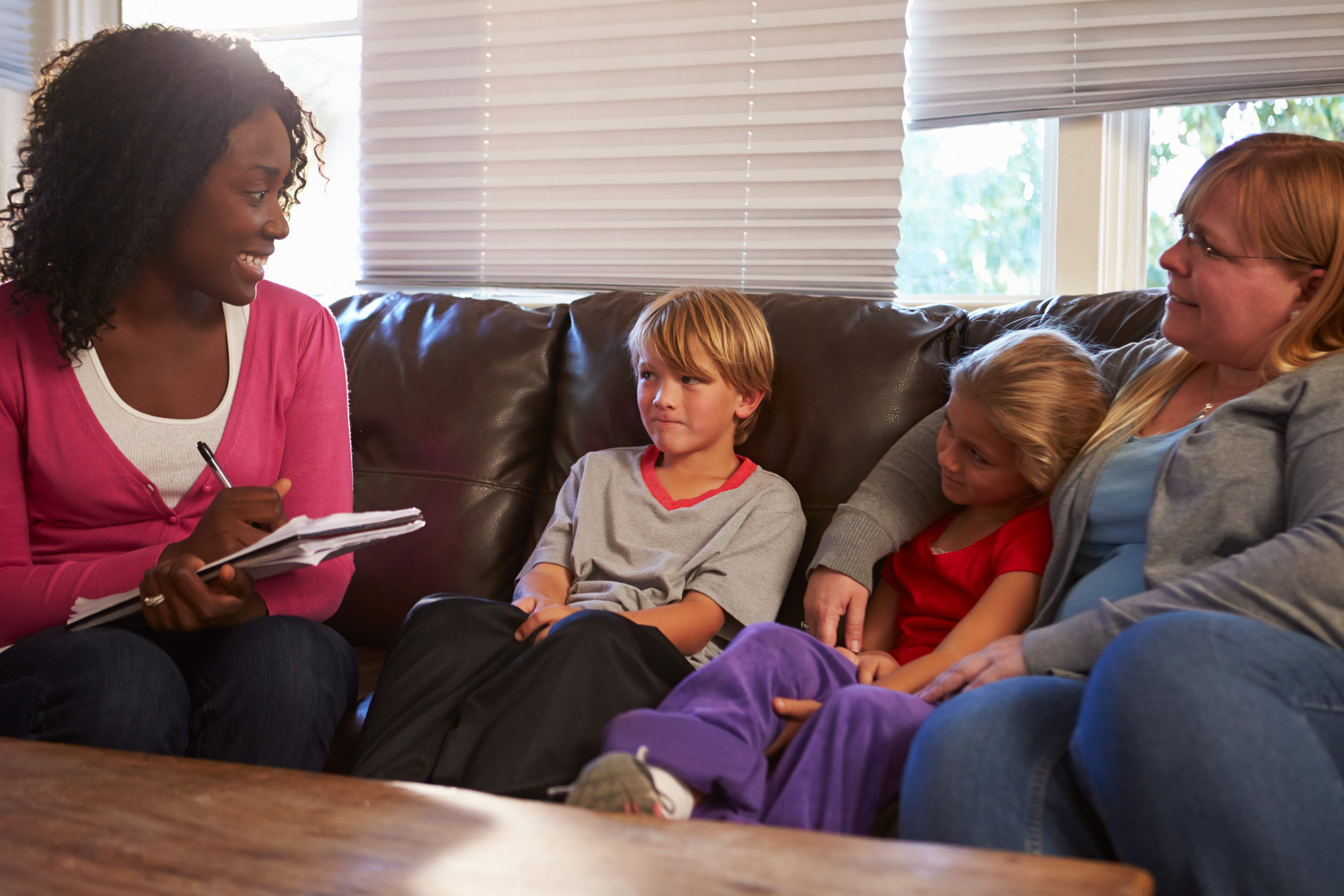
The Center for Childhood Safety and Wellbeing (CSAW) collaborates with Oregon communities, youth, families, and traditionally excluded persons to prevent violence and promote healing, belonging, and child and youth well-being.
Our research, evaluation, and demonstration efforts prioritize youth and survivor leadership, individual action-taking, social justice advocacy, and systems-level change.
Childhood violence is preventable.
Prevention means creating conditions where children, families, and communities can thrive.
Communities hold knowledge essential to prevention.
Lived experience is expertise.
Youth and survivors bring essential knowledge to understanding childhood violence and shaping approaches to prevention.
Learning should lead to action.
Research and evaluation are most useful when what we learn helps communities strengthen prevention in practice.
Everyone has a role.
Creating safer, more supportive communities takes all of us.
Learn more about what guides our work →