

150 years of helping Oregon
For 150 years, UO has been leaving its mark on the state — and we aren’t stopping anytime soon. Read on for some examples of UO’s impact on people and communities around Oregon.
Written and compiled by OregonNews staff
Photos courtesy of University Communications and story sources
November 5, 2026
Oregon is our classroom and our lab. For 150 years, we’ve put on our hiking boots, our hard hats — even our scuba gear — to do groundbreaking research in almost every part of the state, from the Cascades to the southern Oregon Coast, from the high desert to the Willamette Valley. And while we’re learning and growing, we’re giving back to the people and communities that inspire and sustain us.
Just look at all the places we’ve gone. Just imagine all the places we’ll go.

Coast

Central and Eastern Oregon
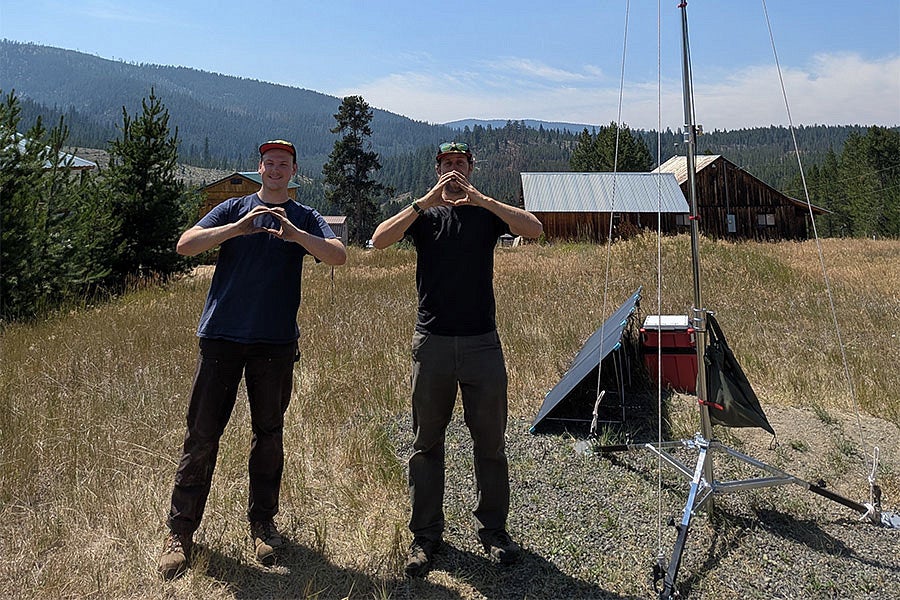
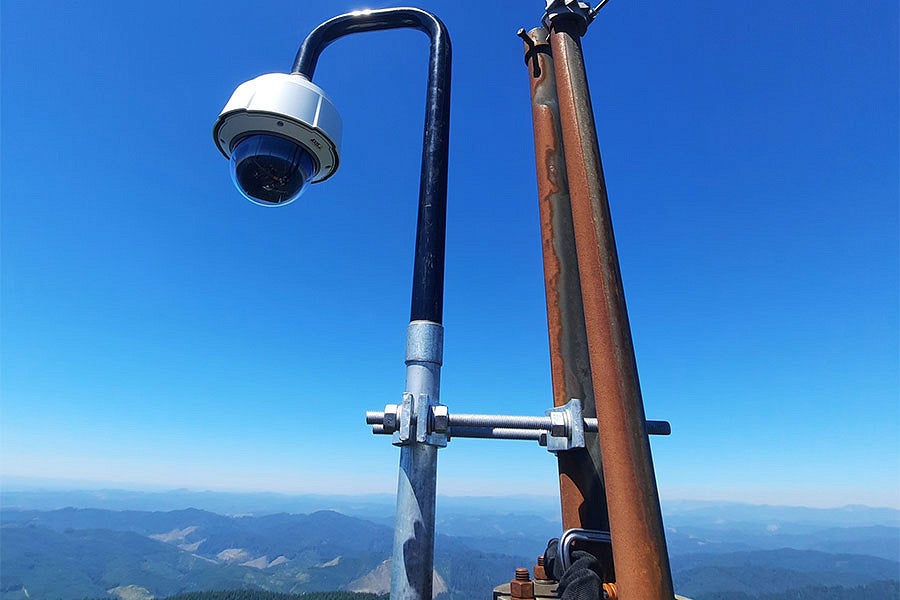
The Oregon Hazards Lab operates more than 75 wildfire detection cameras around the state. Portable tech is helping fill in gaps. When the Olive Butte fire threatened the small community of Granite this year, officials monitored it through a new wildfire camera quickly set up in town. The Oregon Hazards Lab and the U.S. Forest Service built the Deployable Universal Camera Kit or DUCK, a lightweight device, for fast assembly near a fire. Granite residents relaxed as the camera showed the fire had stalled, and OHAZ has already filled five orders statewide for the new instruments.
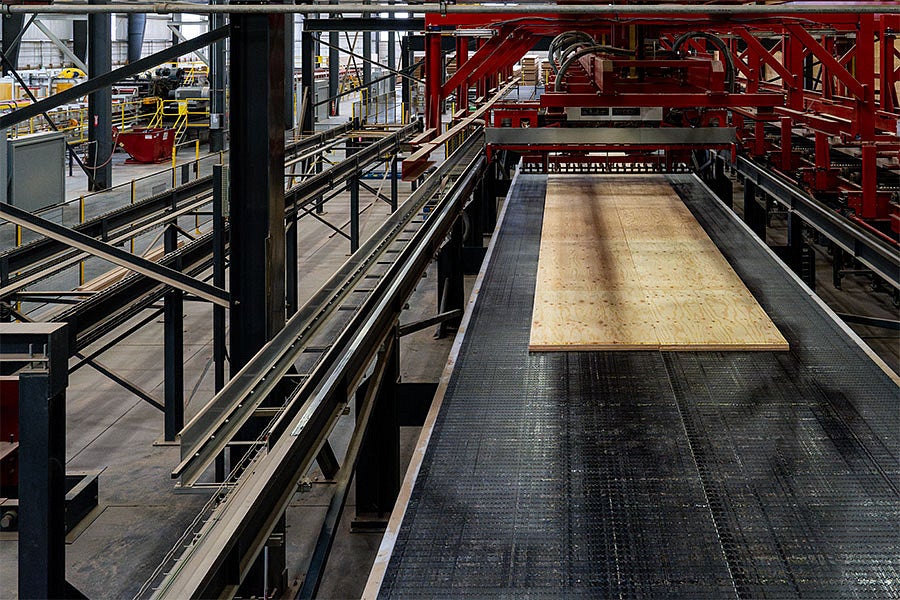
UO researchers are working on new ways to build affordable homes using innovative mass plywood products manufactured in Oregon. For these homes, prefabricated panels are delivered by flatpack (like an IKEA bookshelf) and pieced together like a gingerbread house. Sound improbable? They’re making it possible. With two test homes completed, UO researchers are running with plans to construct four working field models in Burns for residents to live in and test out.
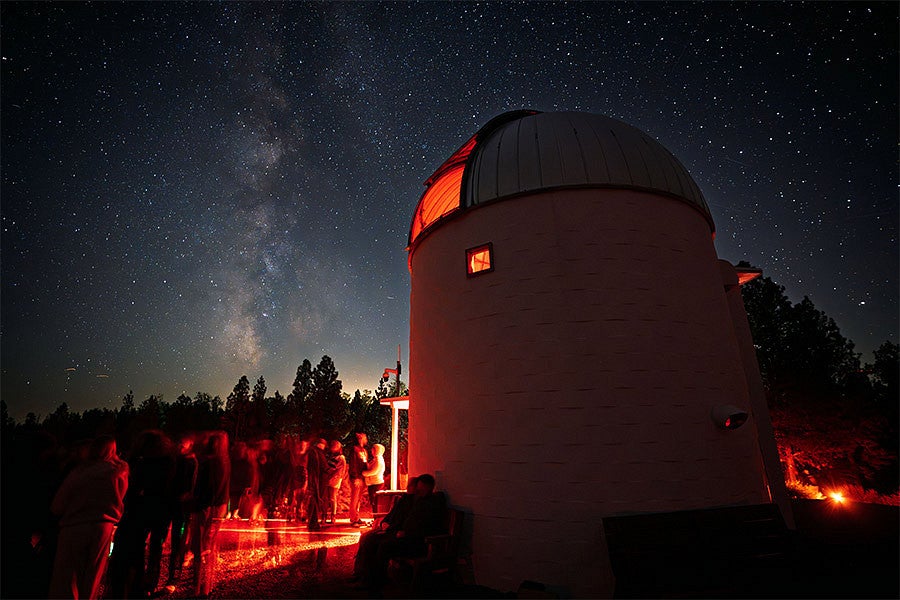
Journey 34 miles southeast of Bend and stargaze into some of Oregon’s darkest, clearest skies. Pine Mountain Observatory is small enough to serve the community and big enough to serve up views of the cosmos through world-class telescopes.
UO students explore the night sky while creating stellar experiences for all visitors. That includes international scientists and amateur astronomers of all ages. Since the 1960s, public tours, educational programs and overnight camping have made this exclusive facility anything but exclusive.
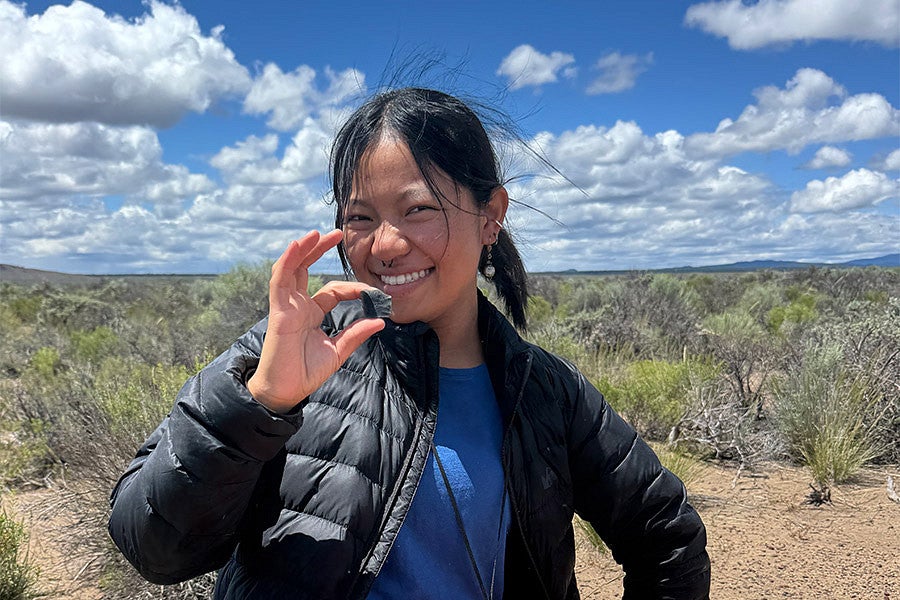
At field schools throughout Oregon, UO students venture to archaeology hotspots for hands-on learning opportunities with faculty members. Two epic discoveries: the oldest human DNA In North America and the world’s oldest shoes. Since the 1930s, we’ve been exploring remote sites like Connley Caves, Paisley Caves and Rimrock Draw.
Now we’re collaborating with the Confederated Tribes of Warm Springs to study the Fort Rock Basin with an emphasis on respect and stewardship of cultural heritage.
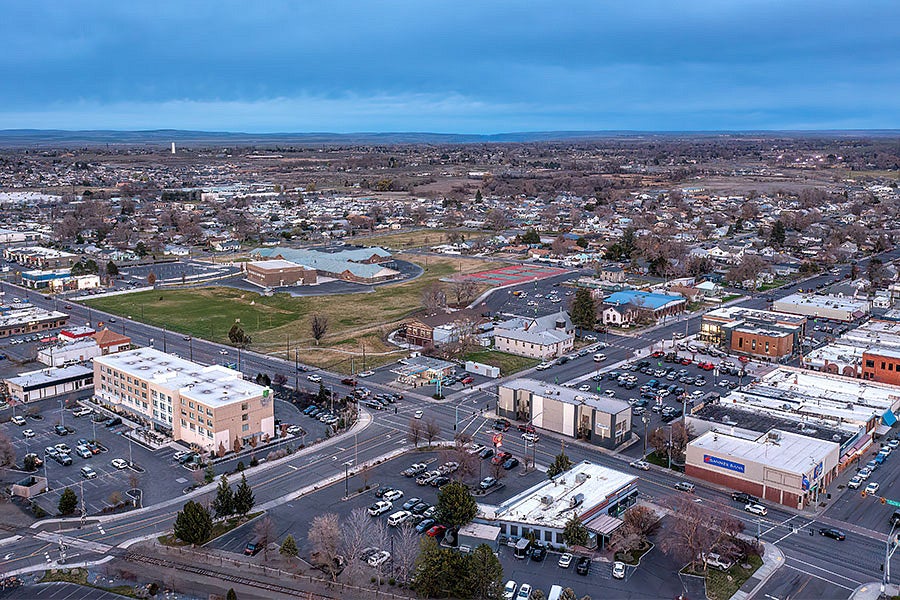
Through the Sustainable City Year Program, UO students gained professional experience while earning academic credits and giving eastern Oregon’s largest city a boost. Partnering with officials from this growing regional trade center, students explored ways to promote livability, workforce development and community engagement. They worked to make a neighborhood more walkable and affordable, created options to fund a potential recreation center and proposed next steps for the city to improve north Hermiston.

Willamette Valley
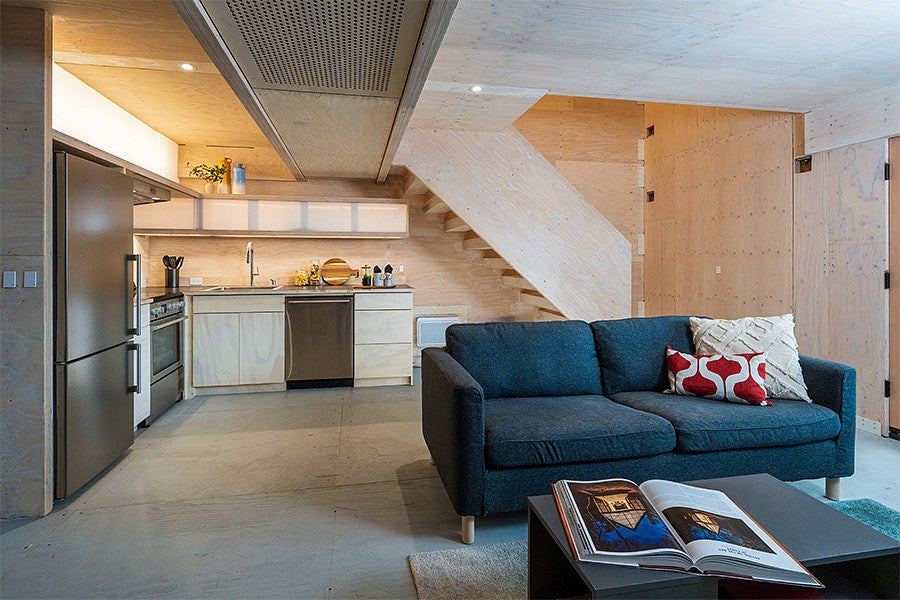
As part of the Tallwood Design Institute, the UO works with Oregon State University to advance mass timber. That includes collaborating with Freres Engineered Wood in Lyons, where an Oregon company with roots spanning more than a century manufactures next-generation wood products.
Researchers from both universities helped Freres develop and test mass plywood panels and homes built from them. They hope their new products and ideas will help ease the housing crisis and boost Oregon’s economy.
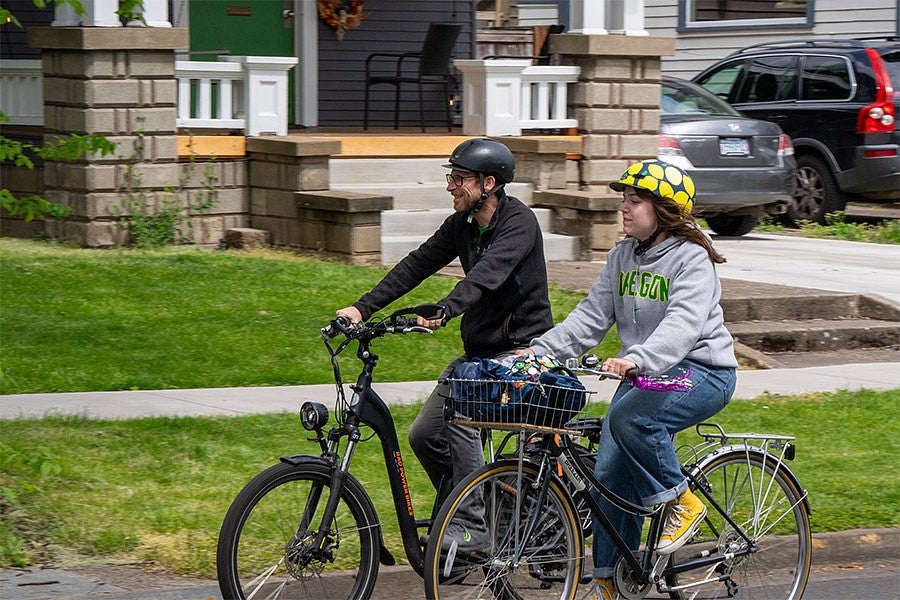
After UO students dreamed up a new way to improve Eugene streets for bicycles, their wheels started spinning. With help from faculty, they fine-tuned their plan and worked with the city to roll it out.
Today cyclists pedaling East 13th Avenue between campus and downtown ride easier, thanks to student organization LiveMove. The David Minor Bikeway features a dedicated lane, safety barriers and special signal lights.
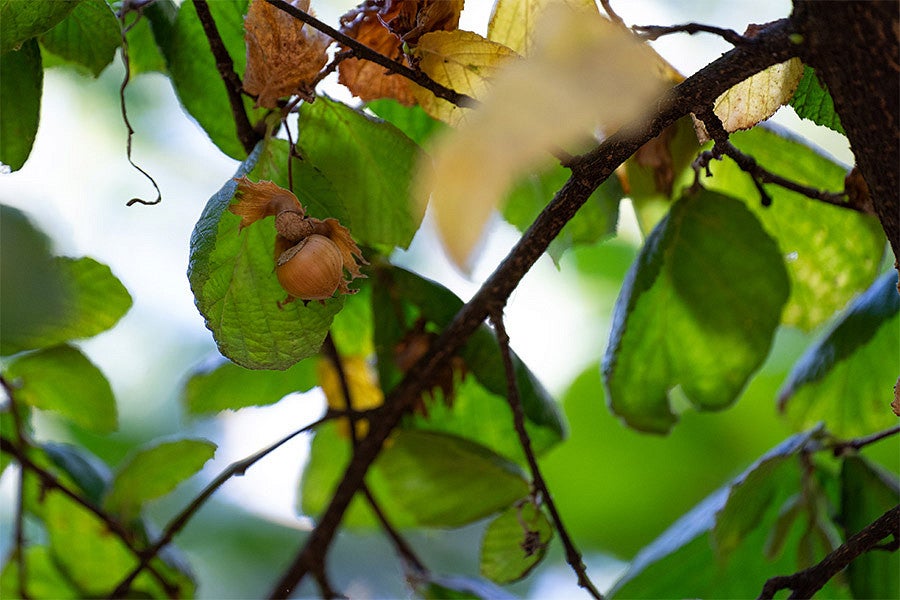
Oregon grows nearly all of the nation’s hazelnuts, and sustaining that production starts with healthy soil. UO researchers are testing two ways to build more resilient orchard soils: planting native wildflowers to reduce erosion and build soil organic matter, and spreading basalt dust to buffer soil acidity and sequester carbon. Backed by a $2 million federal investment, the team is working with nearly 20 Oregon orchards to test these practices at a commercial scale.
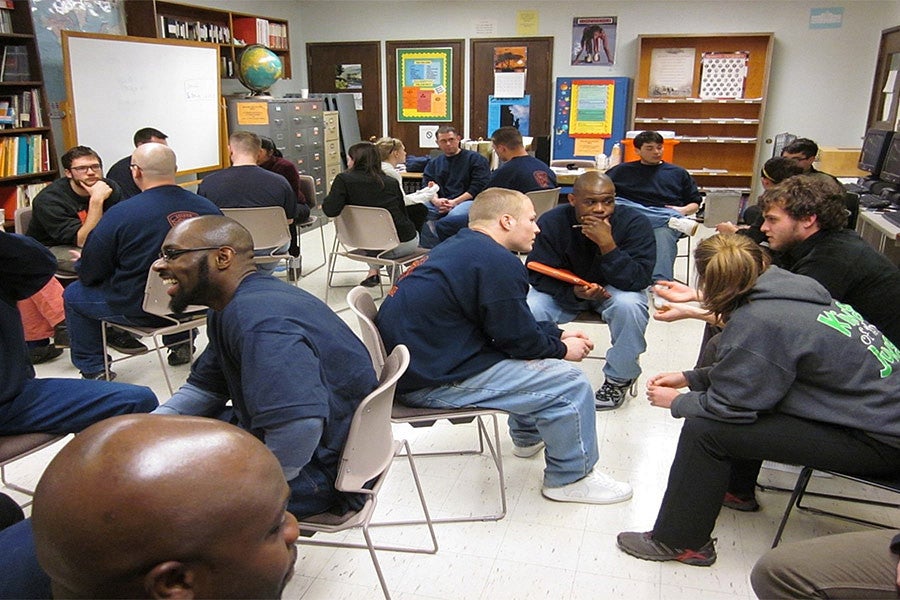
The UO’s first Inside-Out class in 2007 brought a national initiative to the university. Now 15 instructors teach at three state penitentiaries, combining an equal number of university-based and incarcerated individuals to form a blended class within prison walls. University educators also provide video programming from UO events to each of the prisons in Oregon and create unique educational material for those held in disciplinary or medical units. Students from both sides of the prison walls describe the classes as life changing.
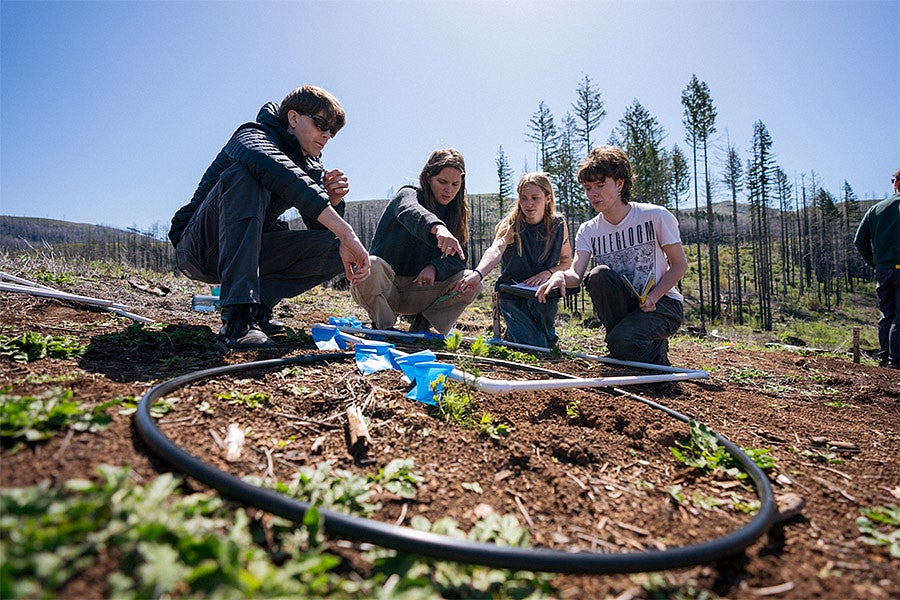
After the 2020 Holiday Farm Fire burned through Whitewater Ranch, UO ecologists and students in the Environmental Leadership Program planted native wildflowers to support pollinators in the post-fire landscape. Buzzing with a diversity of bees and plants, the work has expanded to the broader McKenzie River basin to understand how pollinator communities respond to — and even thrive following — fire and forest management.
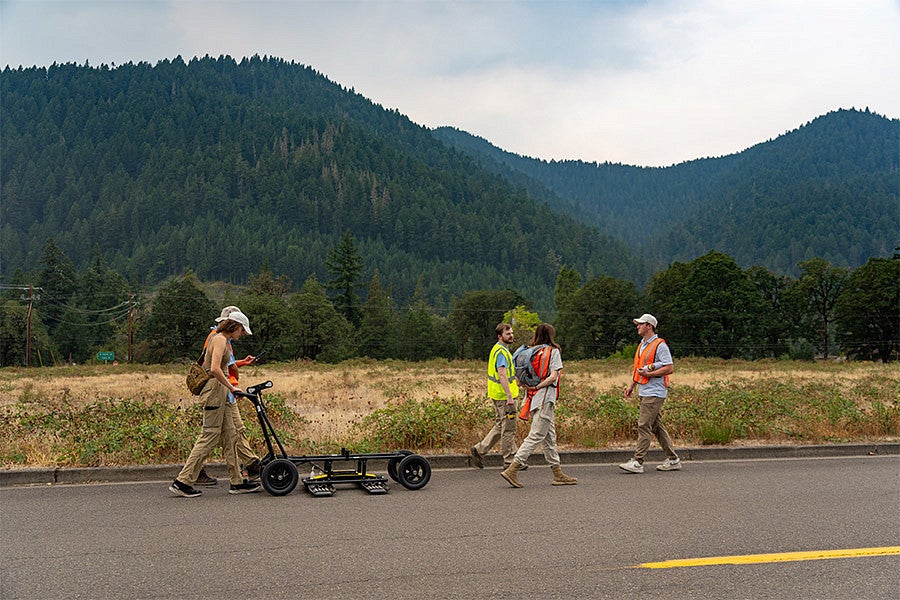
Over two years, hundreds of UO students interviewed residents, conducted research and worked on strategies to elevate Oakridge. This small town in the foothills of the Cascade Mountains welcomed their time and expertise. And their moxie.
Business students developed plans to market Oakridge as a hub of outdoor adventure. Advertising students promoted an art walk. Architecture students worked on affordable housing solutions. The seeds they planted are still running wild.
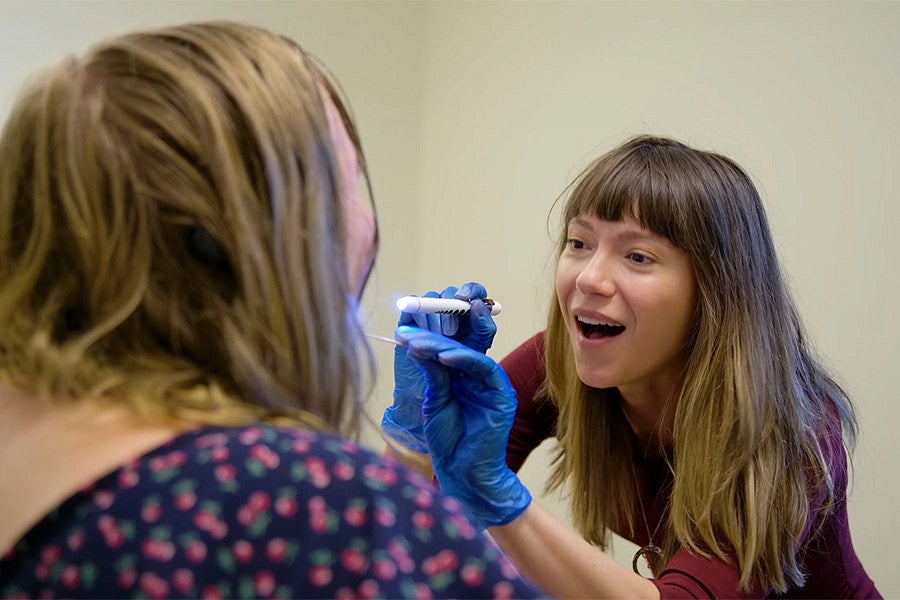
You might be surprised to know that a clinic on campus provides essential health and counseling services to clients in Lane County while also training the next generation of professionals. Last year, the HEDCO Clinic, part of the UO College of Education, served 1,775 clients and trained 140 students. Children and adults can receive various services, including support for neurodevelopmental needs, speech challenges and behavioral health issues.
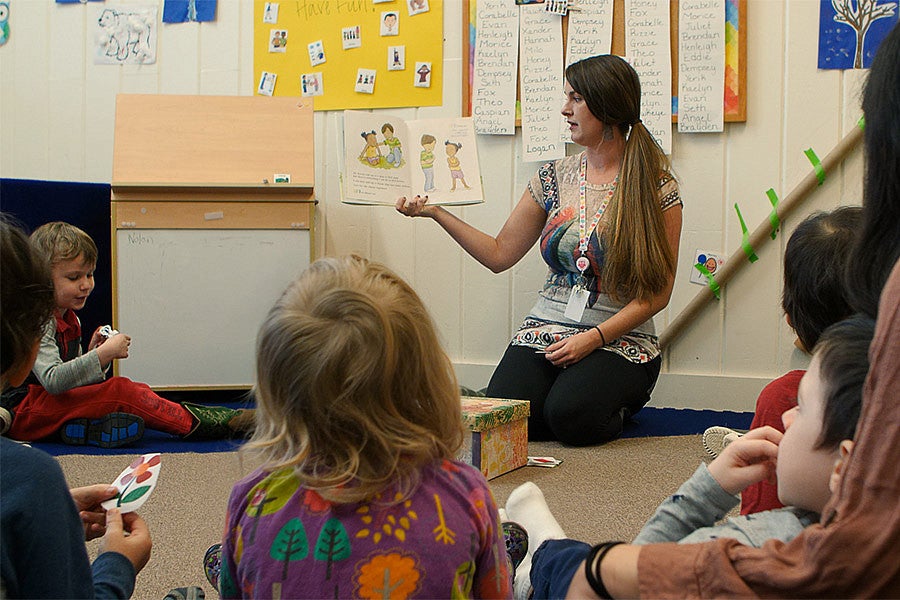
Founded in 1991, Early Childhood CARES supports infants, toddlers, preschoolers and their families by providing free early intervention and early childhood special education to all eligible children with developmental delays or disabilities in Lane County. The organization, which is part of the UO College of Education, serves over 1,600 children each year.

Portland and the Columbia River Gorge
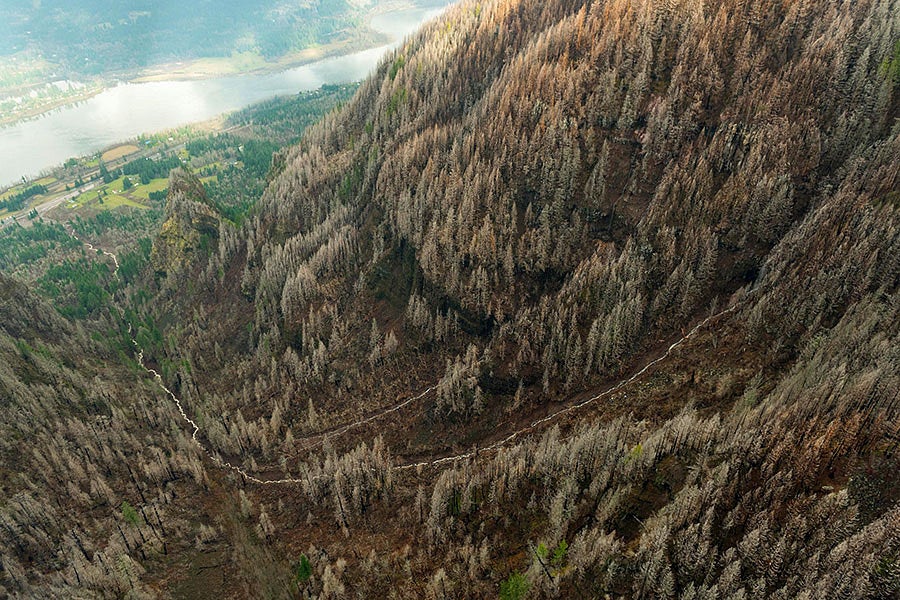
Landslides can pose serious safety hazards, but UO research could keep travelers safe when foul weather is afoot. Scientists who study landslide risk factors are working on a tool to predict debris flows in the Columbia River Gorge. That would help agencies like the Oregon Department of Transportation alert travelers about landslide risk during intense storms and make better decisions about when to fully close roads.
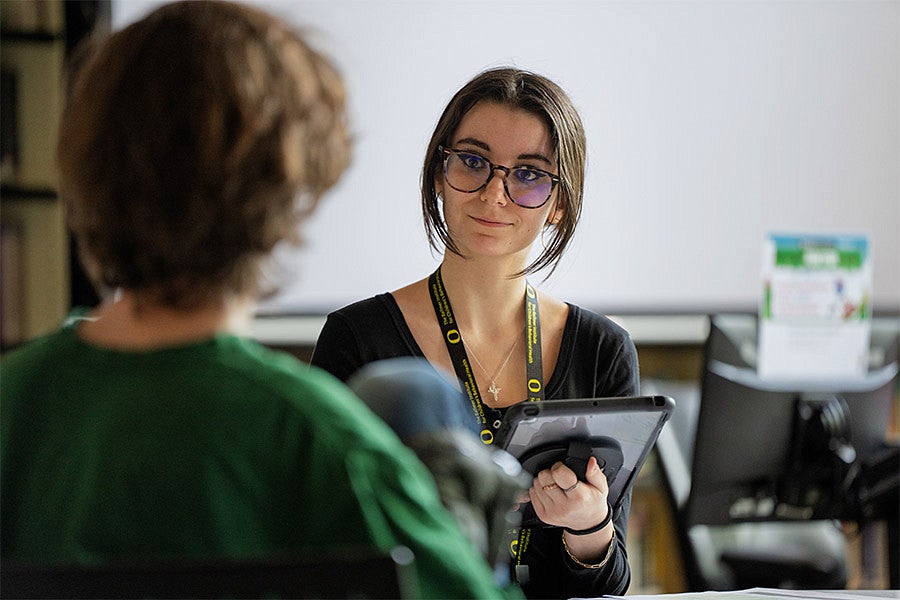
Students at the UO Ballmer Institute for Children’s Behavioral Health don’t have to wait until they graduate to start helping children and families. As part of their four-year program, they complete 700 hours of supervised applied practice, interning at Portland-area schools, clinics and community agencies. By graduation, they’re ready to begin careers as the nation’s first bachelor’s-level behavioral health professionals.
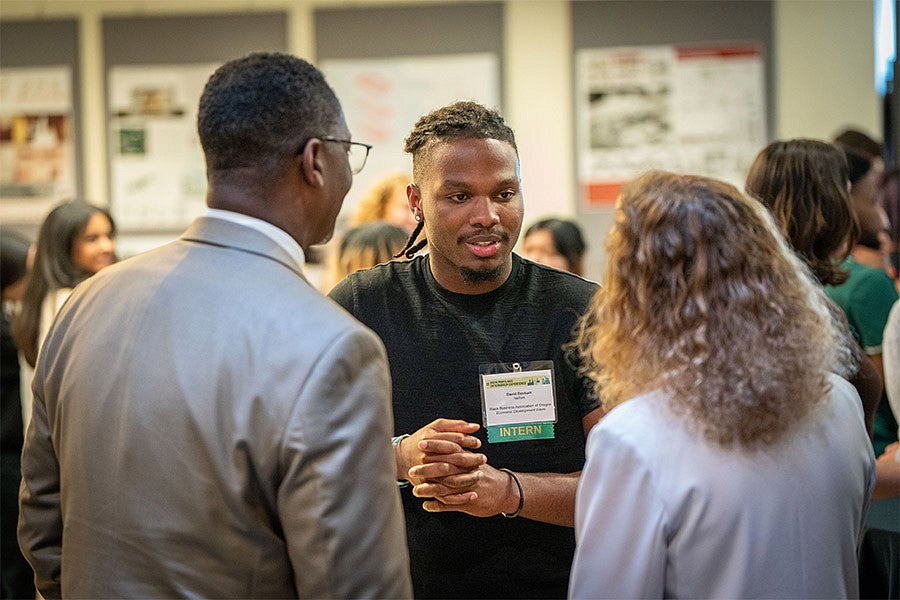
Every summer, UO undergraduates in the Portland Internship Experience gain real-world experience while they make a difference in the Portland community. They intern at mission-driven businesses and organizations in fields like the arts, environment, law and education. Over the past six years, 236 interns have contributed to 105 organizations.
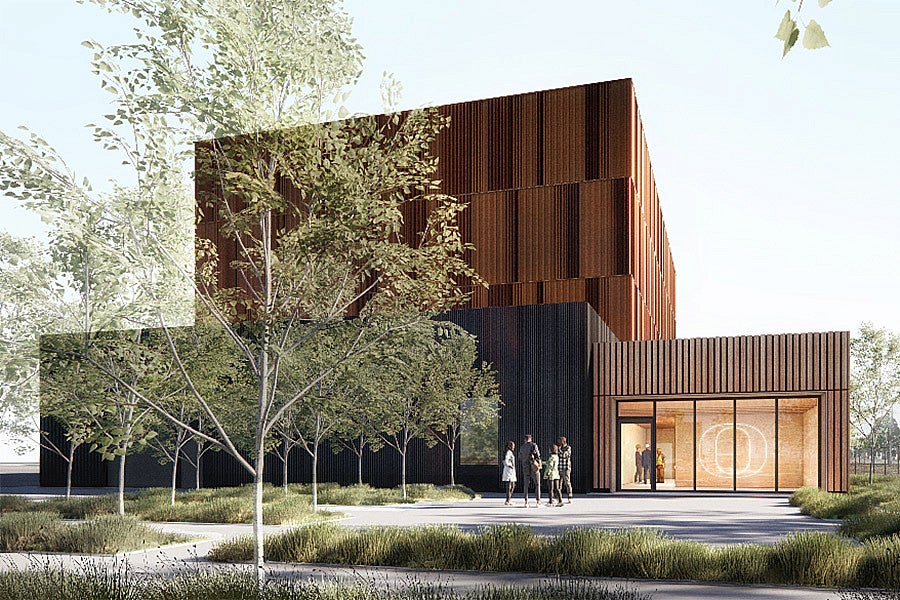
Before new materials like mass timber can be used in real homes, they need to be put through their paces — including acoustically. How sound travels, whether it reverberates or is muffled, is an important factor in any building design.
The Oregon Acoustic Research Laboratory at the Port of Portland is still being built. But once it’s up and running, it’ll provide a space for university researchers and outside industry partners to test the acoustic properties of mass timber, bolstering this growing Northwest industry.
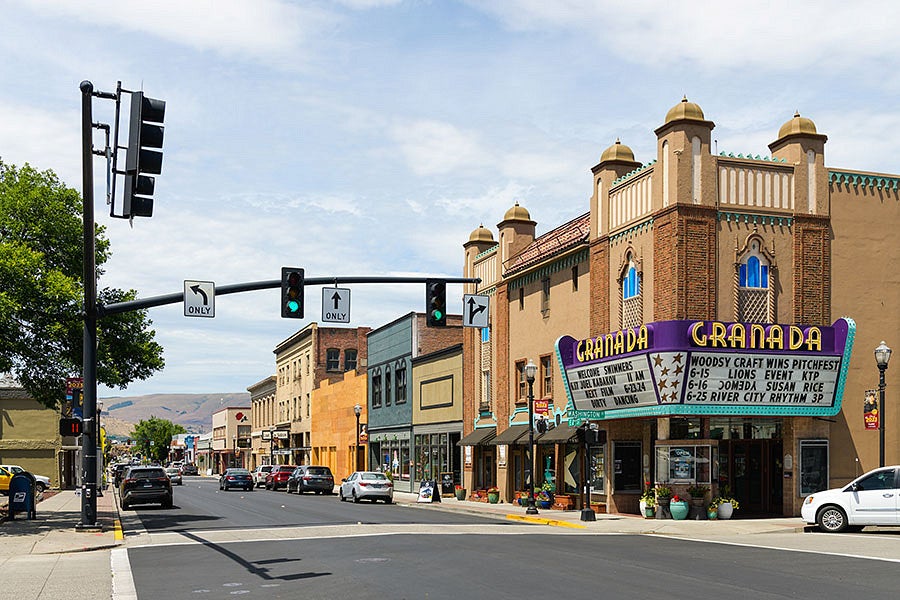
As part of the UO’s Sustainable City Year Program, students in a geographic information systems class explored walkability in The Dalles. Through their work, they pointed the city in the right direction.
They started with a potent combination of subjective opinions and objective facts. By using high-tech mapping tools and in-person surveys, the students helped city officials assess how pedestrians experience getting around the city at the end of the Oregon Trail.

Southern Oregon
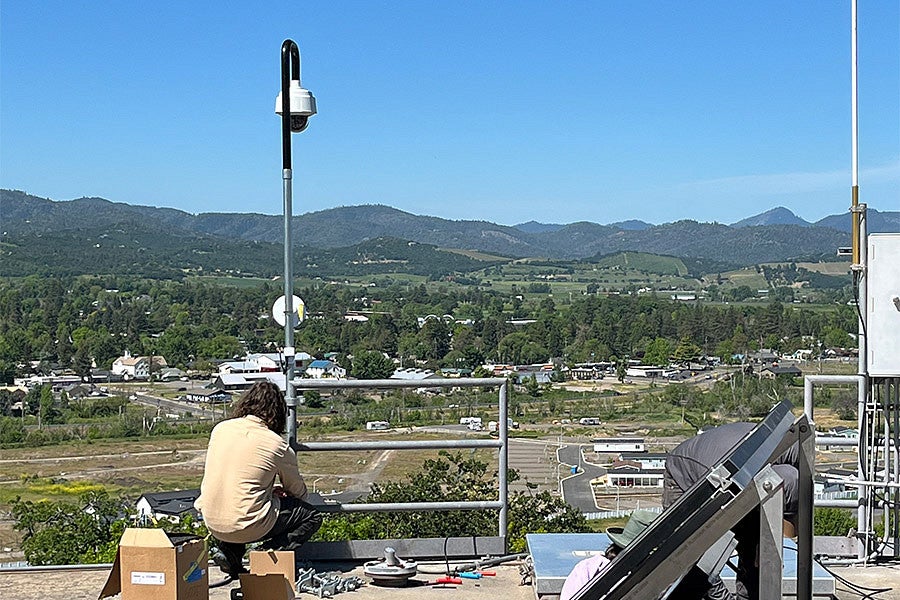
The 2020 Almeda fire in the Rogue Valley — which destroyed more than 2,500 homes — jump-started a new approach to squash wildfires quickly. OHAZ, through a FEMA grant, has added several wildfire cameras throughout the region, which the Oregon Department of Forestry, the U.S. Forest Service and Pacific Power can use to monitor land and stop threats. Fires are getting snuffed out before they grow, and communities feel safer. “Having real-time situational awareness during fire response is critical, not just for first responders but also for the public,” said Peter Town of the Rogue Valley Council of Governments. “Knowing when to evacuate is incredibly important and having another tool to help with that decision is very beneficial.”
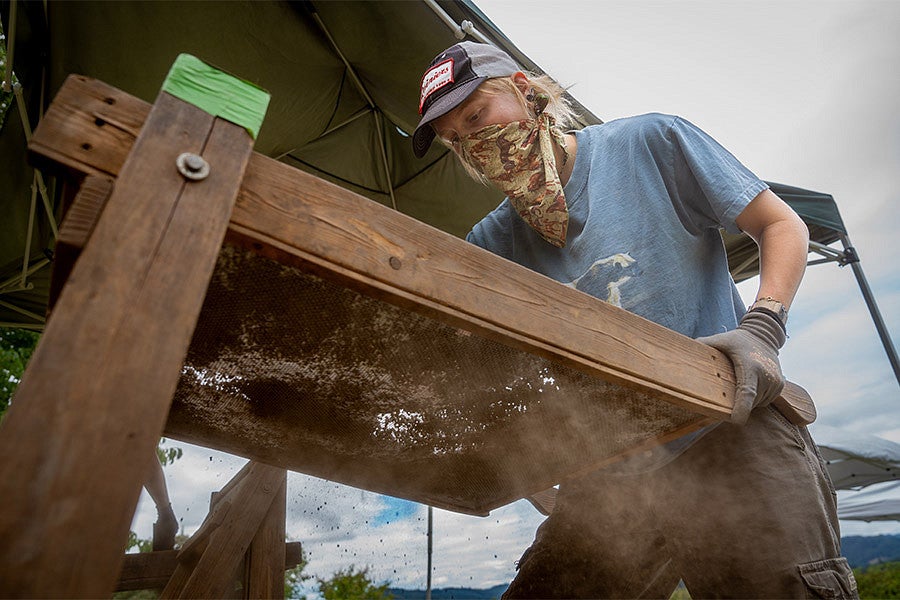
At the Applegate House Field School, UO students unearth the history of an iconic Oregon homestead. The site in Yoncalla also features artifacts indicating the presence of the Komemma Kalapuya.
As these aspiring archaeologists excavate the past, they’re also helping the community curate their findings so others can discover Oregon’s stories. And they gain professional experience in field work and cultural resource management.
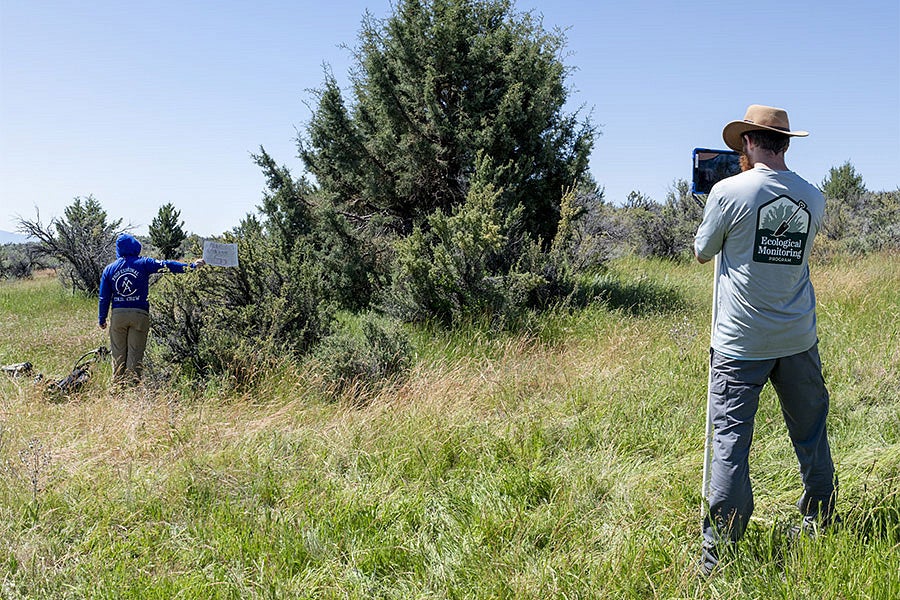
UO researchers with the Institute for Resilient Organizations, Communities and Environments are working closely with community stakeholders to monitor the social, economic, and ecological effects of forest and rangeland restoration projects in Lake County. Those restoration efforts, led by local communities as well as state, federal and tribal land managers, include thinning forests to remove extra wildfire fuel, doing prescribed burns and improving stream habitat. In addition to tracking how restoration efforts shape forest health and wildfire risk, the UO team is also studying how these projects support the local economy and benefit the community.

Statewide
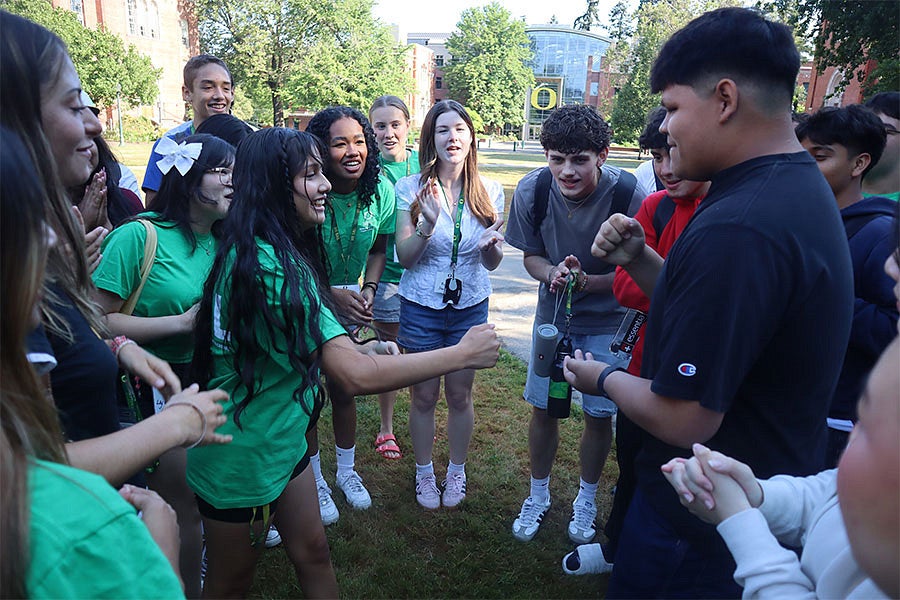
The UO Student Academy to Inspire Learning, or SAIL, helps students from underrepresented backgrounds explore college opportunities and envision themselves in higher education. Since 2005, SAIL has served over 5,000 Oregon youth. Through free, weeklong summer programs on campus and year-round mentoring, students gain exposure to college life and receive support with college and scholarship applications.

Sapsik’ʷałá is an Ichishkíin/Sahaptin word which translates to “teacher” in English. For 24 years, the Sapsik’ʷałá Teacher Education Program has trained Indigenous educators to teach within their tribal communities. To date, 137 alumni are now doing this work, including recent graduate Marquel Holiday, enrolled in the Yankton Sioux Tribe: “My home and my relatives inspired me to become a teacher. I just want to see the best possible future for our children.”

If your children go to Oregon public schools, chances are they’ve met a UO student teacher. Teacher candidates at the College of Education have been gaining supervised field experience in Oregon classrooms for well over a century, making teacher preparation one of the university’s longest-running professional programs. Over the past three years, 390 UO students have supported children at 141 schools in 45 districts. That’s over 252,000 hours helping children statewide.

The UO HEDCO Institute for Evidence-Based Educational Practice reviews research and offers insights on trending K-12 education topics that affect Oregon students. How much instructional time is ideal? How can schools reduce chronic absenteeism? Professional organizations like the Coalition of Oregon School Administrators share HEDCO Institute research with decision-makers across the state. The institute also is working with the Oregon Department of Education to address top educational issues.
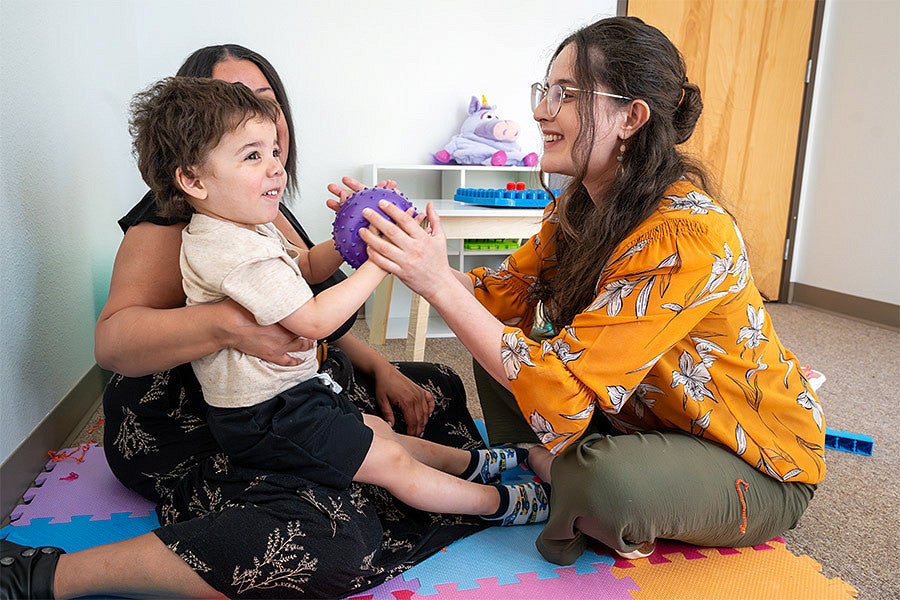
Faculty experts from various disciplines at the UO Prevention Science Institute team up with schools and agencies throughout the state, leading to cutting-edge discoveries that improve youth and family health and well-being. One example is the national ACCESS center, where UO researchers are connecting with Oregon schools and families to deliver evidence-based mental health support for youth — especially those from underserved communities.
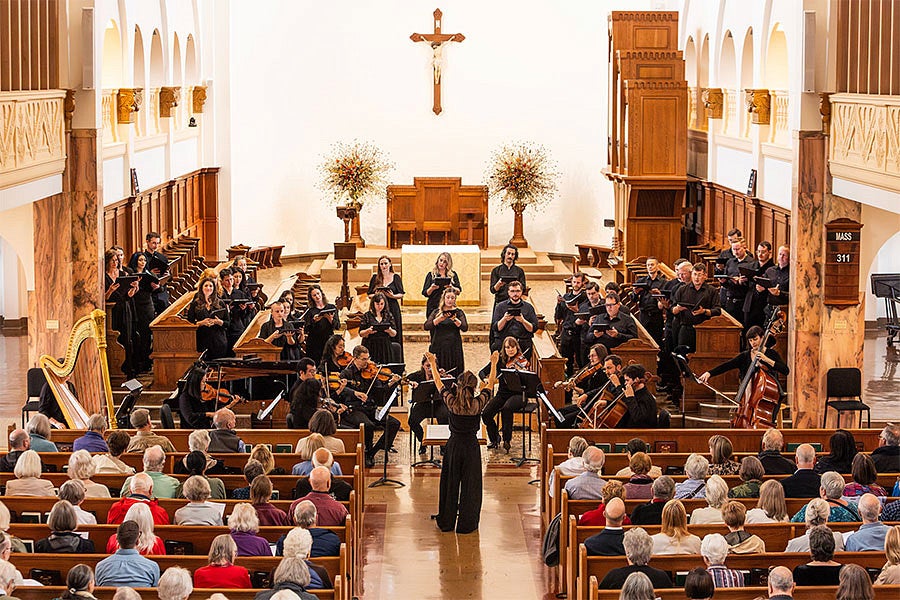
Johann Sebastian Bach would be proud. The Grammy-winning Oregon Bach Festival, which combines masterful professional music with education and community involvement, has been called “one of the world’s leading music festivals.” The festival has celebrated Bach and composers inspired by his work for more than five decades, and Eugene isn’t the only stage — OBF regularly performs near Salem and in Portland and has taken concerts to Florence, Corvallis, Bend and Ashland.
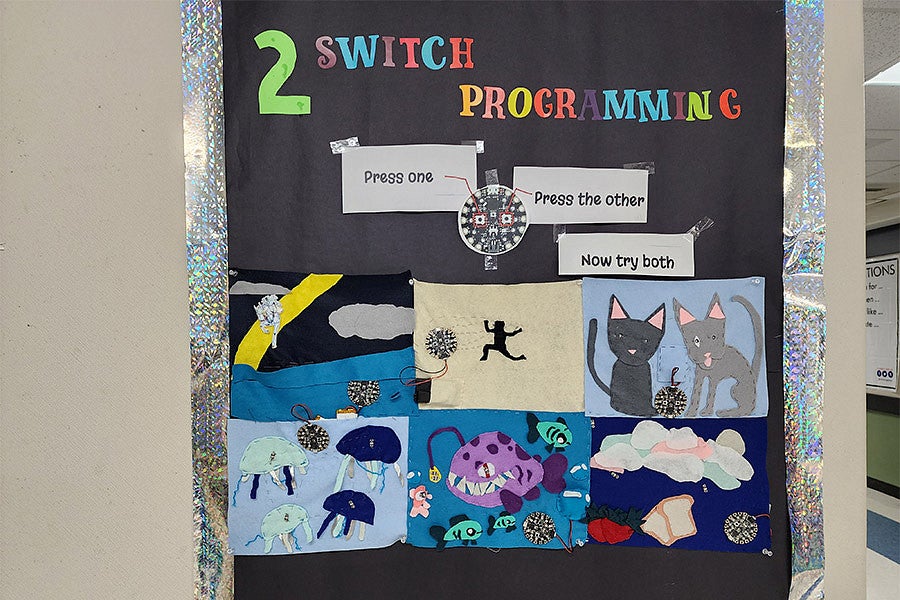
The computer science curriculum rolling out in K-12 public schools throughout Oregon was co-developed by UO education professor Joanna Goode. It emphasizes hands-on activities that make computer science more engaging and accessible for all students. The aim is that Oregon students will not just use technology. They’ll become tech creators, designers and innovators. Goode also helped create professional development for teachers, so they have the skills and professional community they need to inspire students.
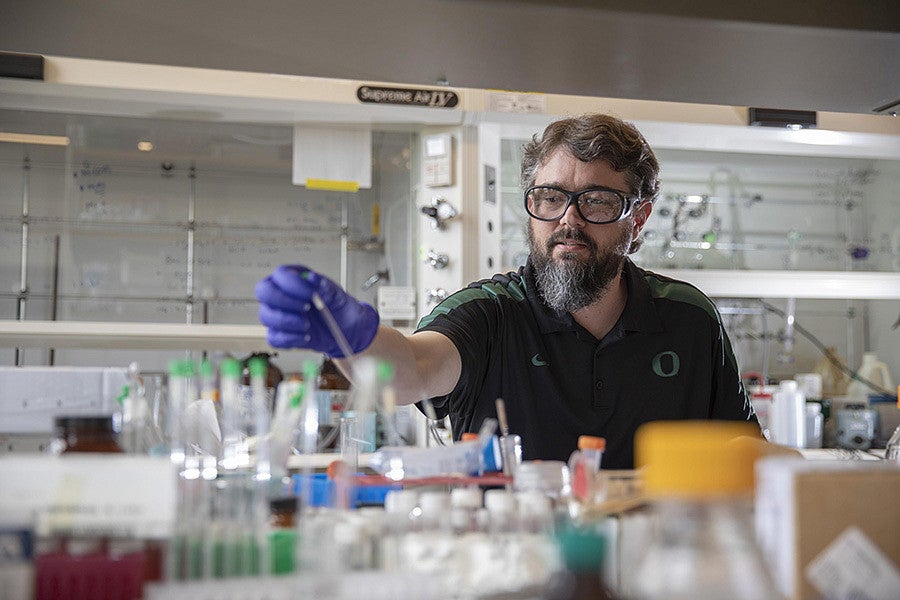
Raincoats are an essential piece of clothing for any Oregonian. For years, their waterproof coatings have contained PFAS, harmful “forever chemicals” that don’t break down in the environment and come with a host of health risks. Chemist Darren Johnson and his team are developing new fluorine-free coatings that could be a greener alternative. It might be a while before you see this tech at your local gear shop, but Johnson’s startup, AlChemy Coatings, is working to make it a commercial reality. Support through the Oregon Innovation Challenge, the Office of the Vice President for Research and Innovation, and Launch Oregon — as well as the National Science Foundation— is helping them take the next step.

Big discoveries shouldn’t depend on the size of a university or its access to powerful technology. Through the UO-led Cyberinfrastructure Alliance for Oregon, all eight of Oregon’s public universities and Link Oregon, a high-speed network for government, research and education, are working together to expand research opportunities across the state. The team has visited campuses statewide to learn what researchers need and help shape a strategy to bring advanced computing, AI, and research expertise within reach of more Oregon researchers.
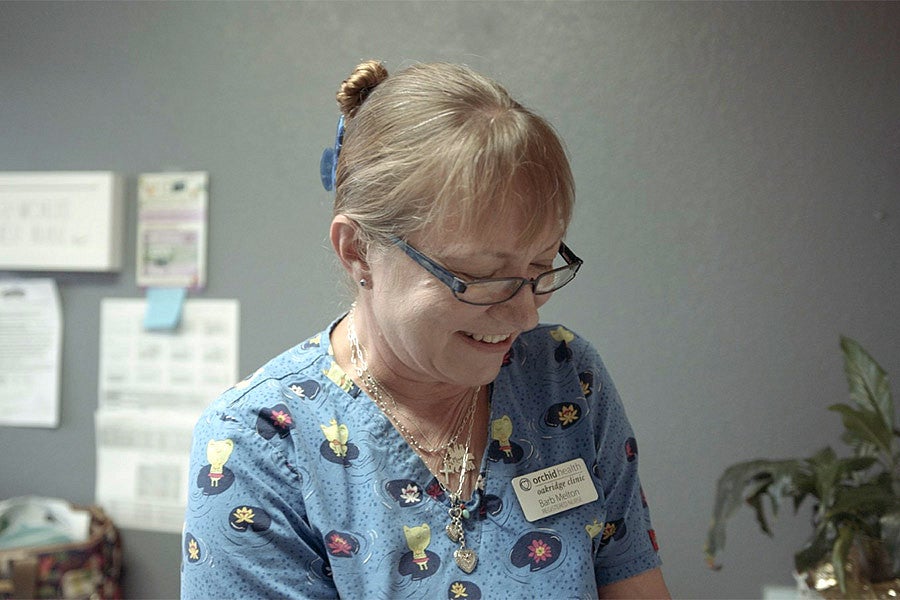
Today, Orchid Health serves thousands of patients at six clinics in rural Lane and Clackamas counties. It was the brainchild of two UO Lundquist College of Business undergrads who envisioned a new way to improve community health by focusing on the well-being of healthcare providers and patients. Lundquist Center for Entrepreneurship staff mentored the entrepreneurs, who opened their first clinic in Oakridge in 2014. Orchid Health is just one of many successful startups founded by UO students, faculty and alumni.
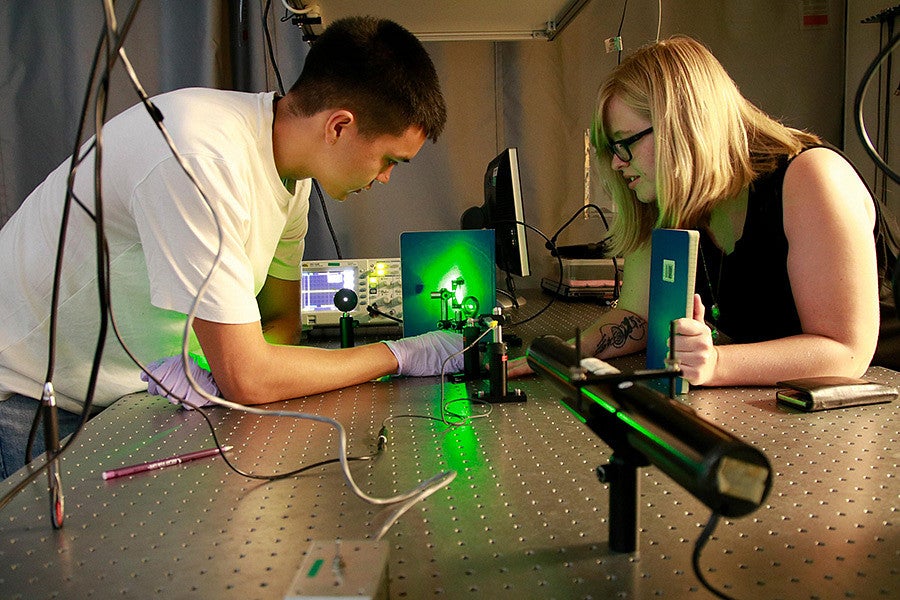
The Knight Campus Graduate Internship Program fast-tracks students into applied science careers via an accelerated master’s degree program. With grads going on to work at companies like Intel and Thermo-Fisher Scientific, the program is helping feed Oregon’s skilled workforce in growing industries such as materials science, chemical engineering and bioinformatics. Its high career placement rate has helped make it a model for other accelerated degree programs at the UO and around the country.
Law students and faculty members with the Environmental and Natural Resources Law Center work to support communities across the state affected by drought, groundwater contamination and other critical water issues. After engaging with environmental justice organizations to learn about Oregonians’ most pressing questions, they produced a video series about the science and law of six key topics: water quality, renters’ rights, rainwater harvesting and more. The free educational resource was supported by the Oregon State Legislature via the Oregon Water Equity Fund. Ultimately, the goal is to promote awareness, sustainability and justice.